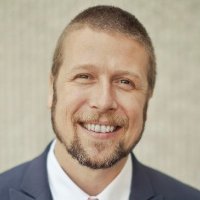
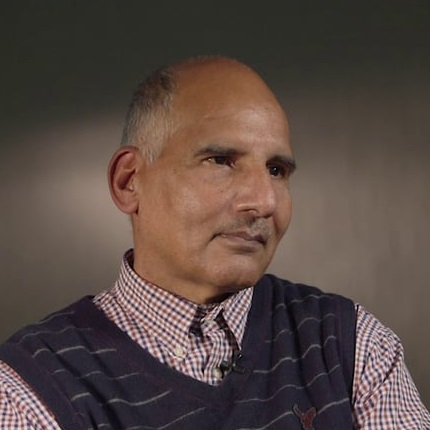
In this show we speak with Todd Walters – Founder and Executive Director of International Peace Park Expeditions. Walters has adapted Peace & Conflict Impact Assessment methodology to transboundary protected areas, and produced short documentary films in the Transcending Boundaries series which portray multiple stakeholder perspectives concerning environmental peacebuilding in transboundary protected areas. Walters is also a member of the Transboundary Conservation Specialist Group at the International Union for the Conservation of Nature where he is developing a practitioners training curriculum on Transboundary Conservation best practices and is a Fellow at the Institute for Environmental Diplomacy and Security.
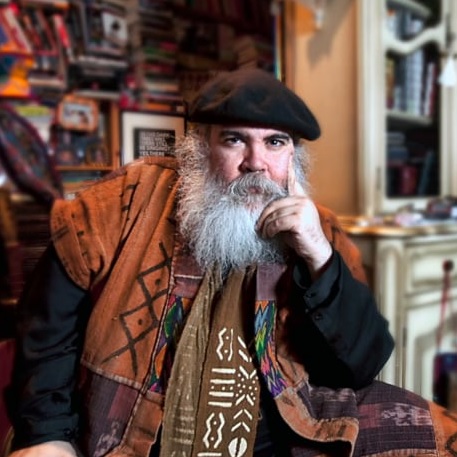
In this episode we speak with author, educator, activist, and co-editor of the 2012 book, “We Have Not Been Moved: Resisting Racism and Militarism in 21st Century America.” Meyer is a long-time leader of the War Resisters League and a founder of the anti-imperialist collective Resistance in Brooklyn (RnB). His solidarity and writing includes co-authorship with Pan-African pacifist Bill Sutherland of Guns and Gandhi in Africa, of which Archbishop Tutu commented: “Sutherland and Meyer have begun to develop a language which looks at the roots of our humanness.” Meyer’s work in education includes a ten-year stint as Multicultural Coordinator for NYC’s Alternative High Schools, and work on the Board of the Peace and Justice Studies Association.
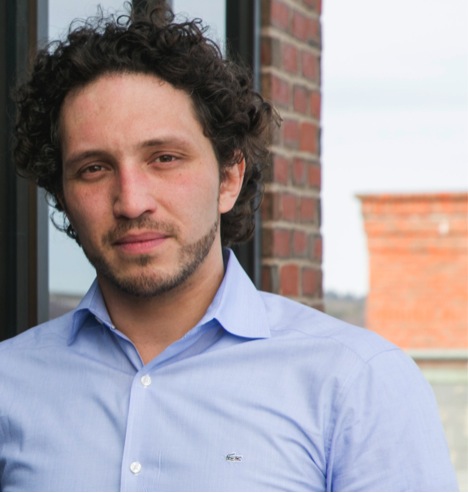
In this episode we speak with Benjamin Naimark-Rowse – a PhD candidate at the Fletcher School for Law and Diplomacy at Tufts University. His dissertation, in the works, is titled “Dear Friend: Correspondence Across Enemy Lines,” which looks at the relationship Nelson Mandela had with leaders of the Apartheid government during and immediately after his 27 years in prison. Naimark-Rowse uses this story as a foil to better understand the concept of strategic communication and how it applies to nonviolent and mixed method movements.
In this show we speak with Dr. Erica Chenoweth–Associate Professor at the Josef Korbel School of International Studies at the University of Denver and an Associate Senior Researcher at the Peace Research Institute of Oslo (PRIO). Together with Maria J. Stephan, she won the 2013 Grawemeyer Award for Ideas Improving World Order, which is presented annually in recognition of outstanding proposals for creating a more just and peaceful world order. Their book, “Why Civil Resistance Works: The Strategic Logic of Nonviolent Conflict,” also won the 2012 Woodrow Wilson Foundation Award. In December 2013, Foreign Policy named Chenoweth one of the Top 100 Global Thinkers of the year “for proving Gandhi right,” noting her work on providing evidence for the efficacy of nonviolent political movements.
In this episode we speak with Hamidullah Natiq – Senior Training Officer working for the United States Institute of Peace in Afghanistan. In our conversation Natiq takes us through his journey towards becoming a self-identified peacebuilding trainer. He also sheds light on how he approaches setting up and facilitating a learning experience. He introduces the term, “discovery education,” and talks about some of the ways this model of teaching and training aids the peacebuilding process.
In this conversation we speak with Dr. Eileen F. Babbitt – Professor of Practice of International Conflict Management, Director of the Institute for Human Security, and Co-director of the Program on Human Rights and Conflict Resolution at The Fletcher School.
In this episode, we speak with Ambassador Princeton Lyman, a Senior Advisor at the U.S. Institute of Peace and U.S. Special Envoy for Sudan and South Sudan from March 2011-2013. Here, Ambassador Lyman recounts his experience in African affairs, including his perspective on the end of apartheid in South Africa and the prospects for peace in the Sudans.
In this episode, we speak with Virginia (Ginny) M. Bouvier, Senior Advisor for Latin America programs at the United States Institute of Peace. She describes the ongoing peace process in Colombia, which she blogs about at Colombia Calls (vbouvier.wordpress.com), as well as how practitioners can address spoilers in negotiation or mediation processes.
In this episode, we speak with Joyce Neu, founder and senior associate at Facilitating Peace. She shares her experience in mediation and answers such questions as: Can force ever be used effectively prior to a mediation or peace process? What role do women play in mediation processes? What role does the UN play in mediating violent conflict?
In this episode we discuss mediating violent conflicts with Dr. Chester A. Crocker. Dr. Crocker is James R. Schlesinger professor of strategic studies at Georgetown University’s Walsh School of Foreign Service and serves on the board of its Institute for the Study of Diplomacy. Dr. Crocker’s teaching and research focus on international security and conflict management. From 1981 to 1989, Dr. Crocker served as Assistant Secretary of State for African Affairs. He developed the strategy and led the diplomacy that produced the treaties signed by Angola, Cuba, and South Africa in New York in December 1988. These agreements resulted in Namibia’s independence (March 1990) and the withdrawal of foreign forces from Namibia and Angola. President Ronald Reagan granted him the President’s Citizens Medal, the country’s second highest civilian award. Dr. Crocker has also served as the Chairman of the USIP Board of Directors from 1992 – 2004.
This is a professional resume blog that highlights different elements of my career and provides more information about the skills, passions, and interests I bring to my work.