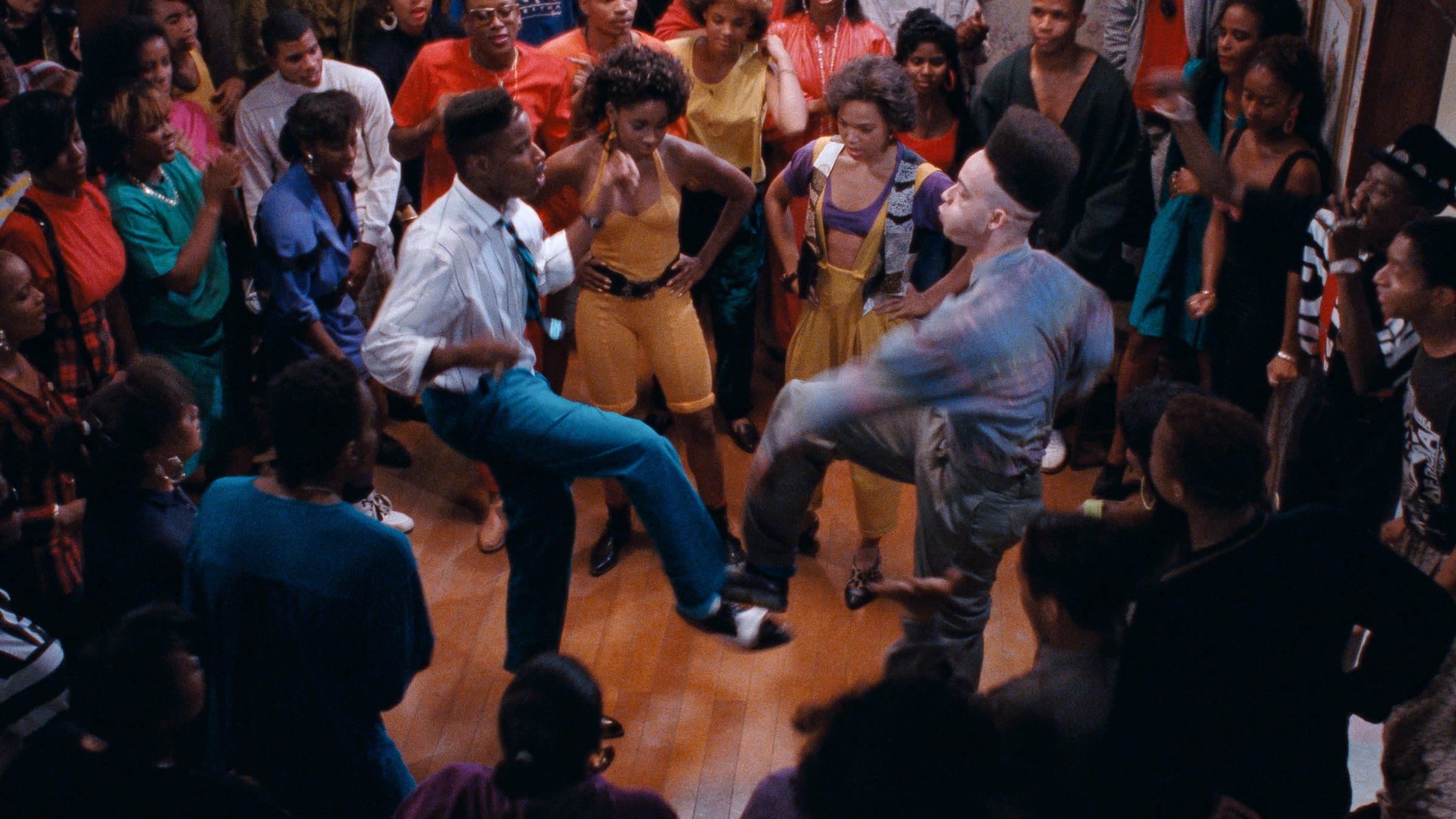
One of my all time favorite films is the original House Party that came out in 1990. Growing up, I would pop that tape into the VCR and watch it at least once a week. I rocked a flat top hair style. I even hosted my own house party freshman year in high school.
Now – these many years later, with a bald head and not VCR in sight – that movie and the whole idea of a house party has reemerged to represent something new for me: a metaphor for psychological safety.
I’ve always thought of myself as an educational DJ. It’s the metaphor that, more than any other, captures what I actually do as a facilitator. Because at the end of the day, a DJ’s job is to create an experience where people are moved, literally, physically, emotionally moved. And a facilitator’s job is to create an experience where people are moved to learn. The skills required to do both of those things well are remarkably, almost uncannily, similar.
Curation Over Content Expertise
A DJ doesn’t need to have written every song they play. They don’t need to be a musician or a composer. What they need is taste, knowledge of their audience, and the skill to blend and sequence what already exists into something that works for the room in front of them.
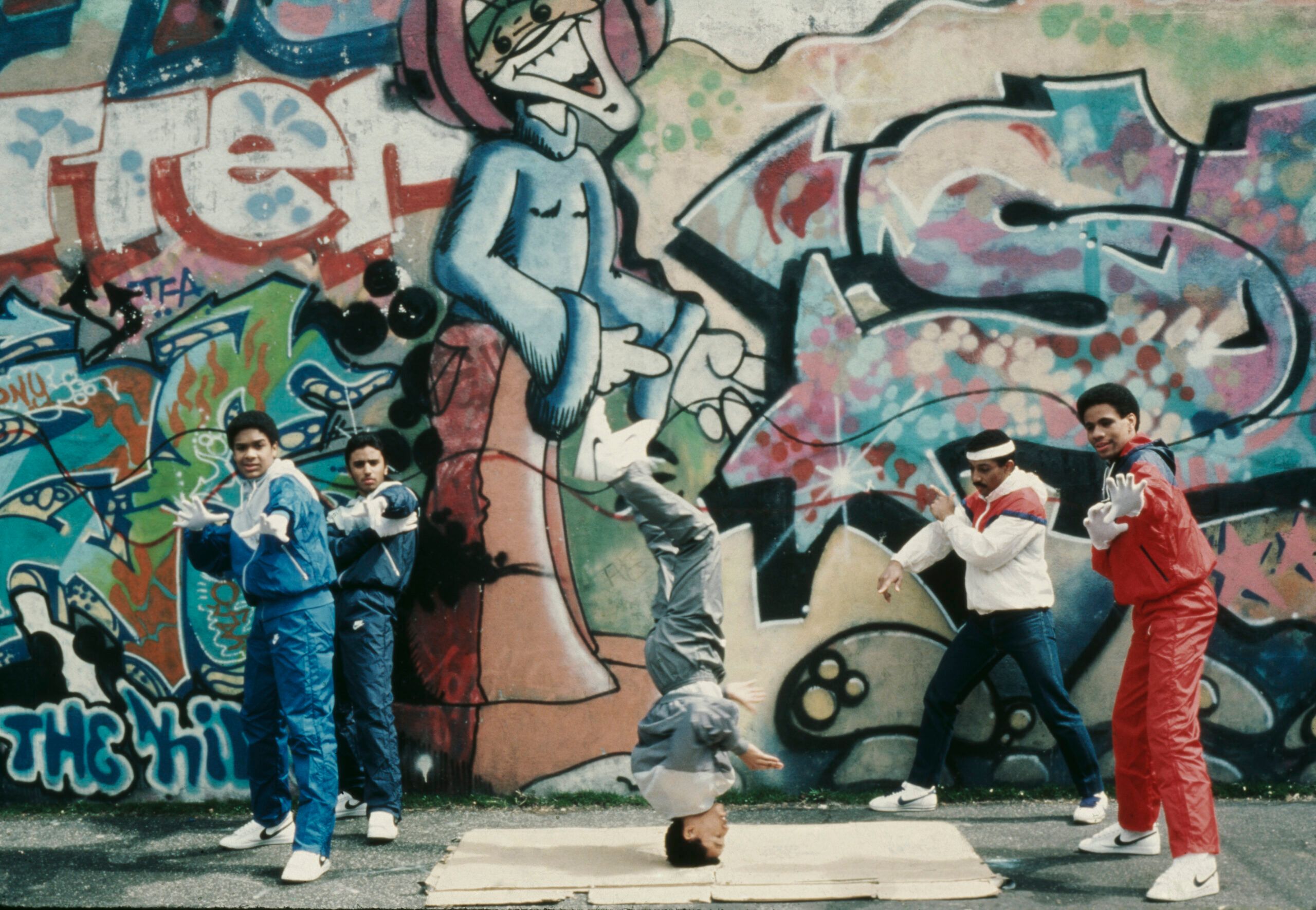
Graffiti gets misunderstood. People see vandalism. What graffiti writers in hip hop culture see is something entirely different: a visual language, a way of marking territory, of asserting identity, of putting something into public space that speaks, provokes, and belongs to the community that created it. Every graffiti artist develops their own style—their signature, their voice in color and form. And when you understand it through that lens, you start to see it everywhere in good facilitation work.
The Room Is a Canvas
Before participants arrive to a workshop or training, a facilitator has already been at work. The room has been transformed. Flip charts are up on the walls. Names are written in big, colorful letters. Images representing key concepts are posted around the space. Maybe there are contributions participants shared in a pre-workshop survey, already captured and displayed so people walk in and see their own thinking reflected back at them.
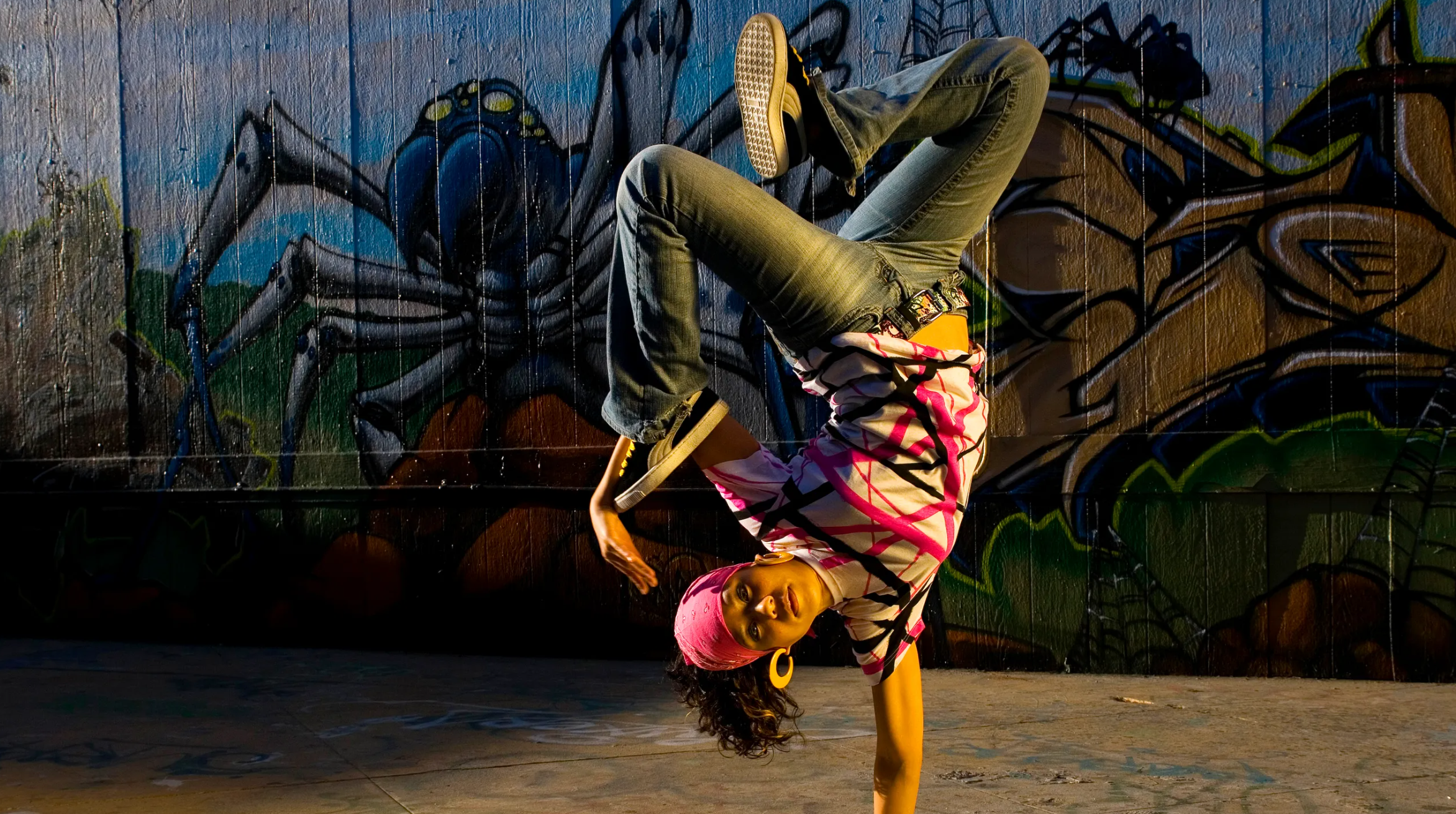
Step into a cypher and watch a b-boy or b-girl work, and you’ll see something that looks like pure spontaneity. They’re spinning, freezing, launching into footwork, responding to the music, to the energy of the crowd, to whatever the last dancer just did. It looks free. It looks improvised.
And it is. But it’s also built on a foundation of deeply practiced, rigorously developed moves.
That tension, between structure and freedom, between the learned and the spontaneous, is at the heart of breakdancing. And it’s at the heart of facilitation too.
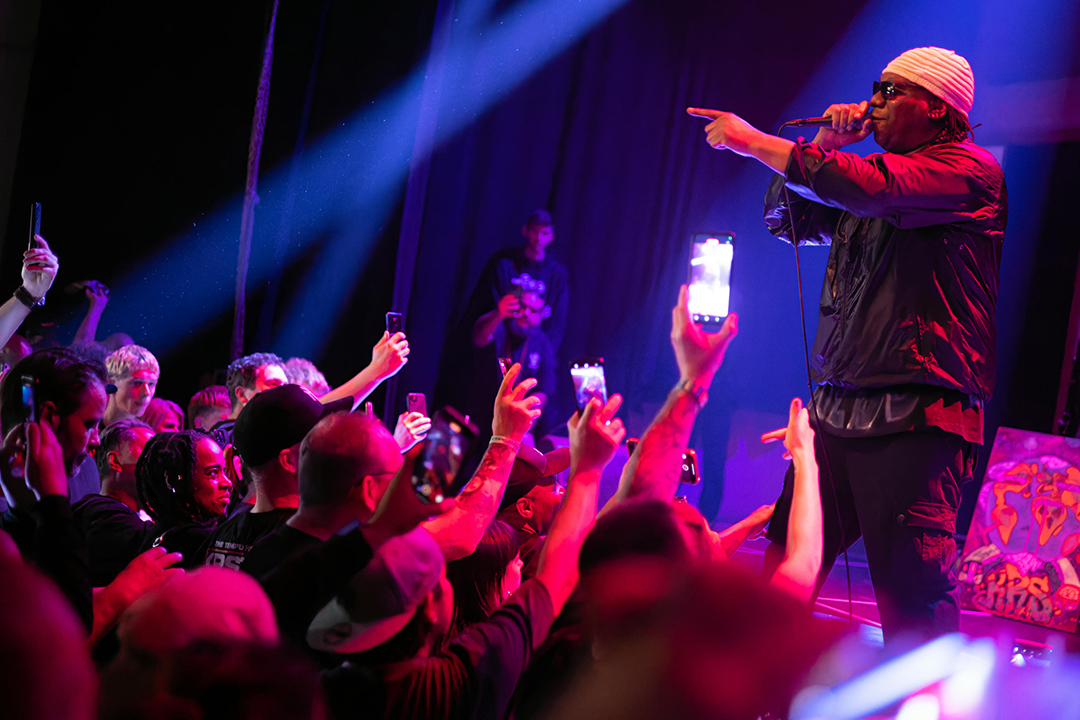
When an MC steps up to the mic, their job is clear: get everyone in that room engaged, energized, and connected to what’s happening in this moment. They’re not just performing. They’re creating a container. They’re weaving a narrative. They’re reading the crowd and responding to what they find. And they’re doing all of this while making it look effortless.
KRS One
Sound familiar? It should. Because that’s exactly what a facilitator does.
When participants walk into a workshop or training, they’re looking for someone who’s going to provide structure and guidance, but not in a way that feels rigid or top-down. They want to feel energized. They want to feel like they know what they’re supposed to be doing. They want to feel like they’re part of something collective, not just sitting in a room waiting to be talked at.
That’s the MC’s job. And it’s the facilitator’s job too.
There’s a question I get asked a lot in my work as a facilitator: where did you learn to do this? And I usually talk about training programs, mentors, years of practice in rooms with groups of people trying to learn something together. But honestly? Some of my deepest intuitions about facilitation come from a place most people wouldn’t expect: hip hop.
Not hip hop as background music. Not hip hop as a reference point to seem culturally relevant in a workshop. I’m talking about hip hop as a framework – a set of principles, practices, and values that map onto the craft of facilitation in ways that are too precise to ignore.
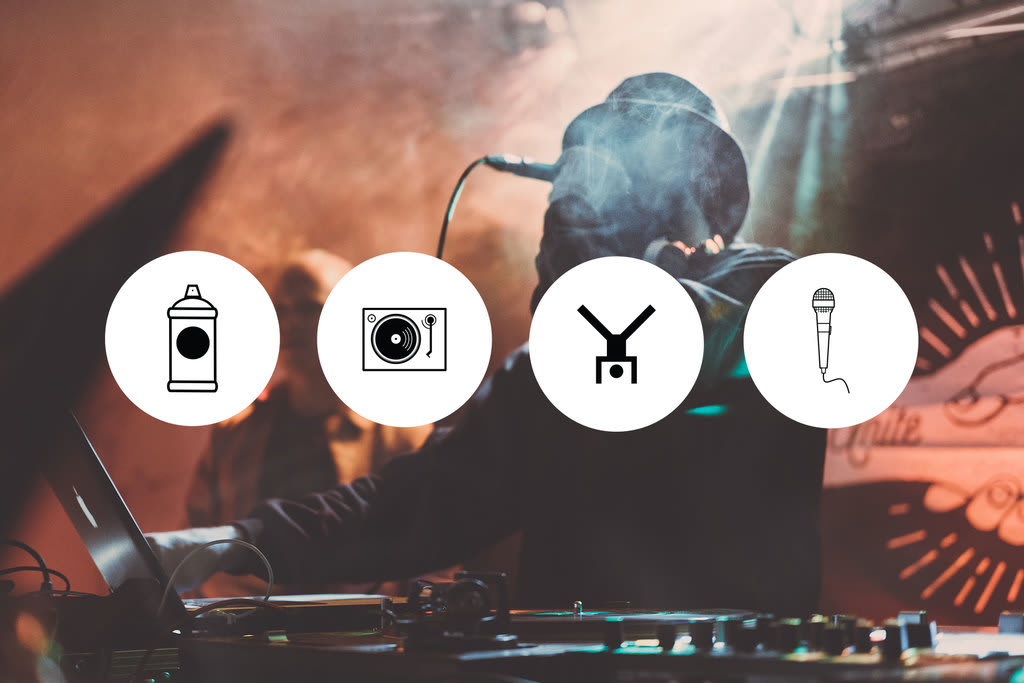
Hip hop has four core elements:
Element 1: MCing (rapping)
Element 2: B-boying and B-girling (breakdancing)
Element 3: Graffiti writing
Element 4: DJing (turntablism)
Each one is a distinct art form with its own technical demands, its own culture, its own vocabulary. And each one, when you look closely, contains lessons about what it means to hold space for a group of people, help them learn, and create an experience that stays with them long after they’ve left the room.
This is the first in a series of four pieces where I’ll explore each element and what it can teach us about facilitation. But before we get there, let me explain why I think this connection matters.
Understanding the challenges a community faces and identifying potential solutions can be difficult on its own. But determining who to engage and how to involve them in the solution is often even more challenging, especially because communities have varying needs, interests, and perspectives. To effectively harness the power of a community, we need to adapt our approach based on each individual’s position on the issue. In this session for the North American Association for Environmental Education I focus on how to collaborate with others to advance your ideas, suggestions, or the actions you want. The key leadership skill of building strong partnerships is rooted in understanding the nature of your relationships with others—specifically, the levels of agreement and trust you share—and using that insight to guide how you communicate and engage with different colleagues and key audiences.
In this panel discussion with George Mason University Carter School for Peace and Conflict Resolution, my TRG colleagues and I talk about how to build a career in the Organizational Development (OD) space. We discuss how an interest in peace and conflict resolution led each of us to work in OD, and the paths we see for emerging practitioners. We share about how skills like facilitation and stakeholder analysis enhance our work with a variety of US Government and private sector clients, and the opportunities we see in the OD space to continue learning from innovations in the field of peacebuilding.
Panelists:
Shareef Khatib, Organizational Development & Training Consultant, Training Resources Group
Avi de Silva, Collaborating, Learning and Adapting Program Management Specialist, USAID ACE Project, Training Resources Group
Ruth Speyer, Organizational Development & Learning Specialist, Training Resources Group
Sharon Kniss, Organizational Development & Training Consultant, Training Resources Group
Daryn Cambridge, Organizational Development & Training Consultant, Training Resources Group
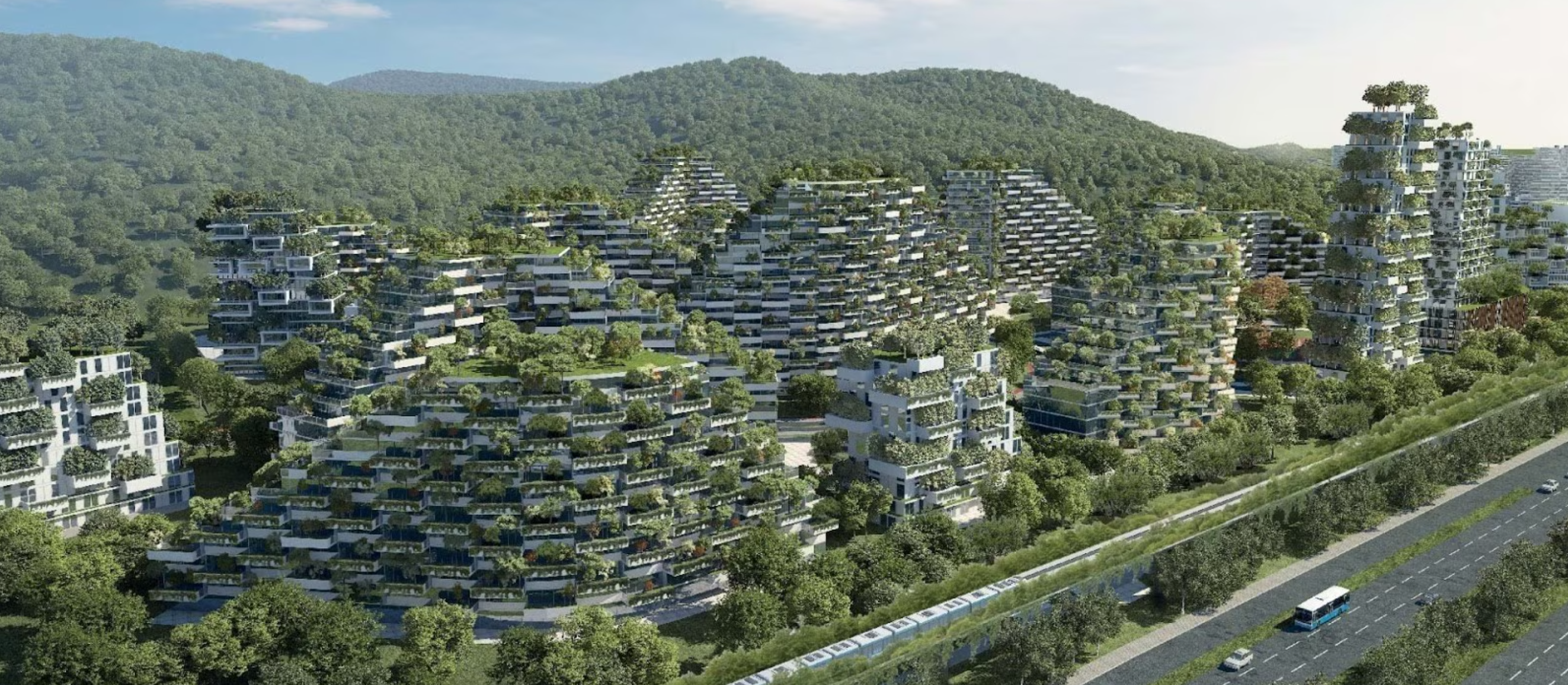
The final installment of USAID’s Green Cities podcast series that I hosted and co-produced with USAID and Shane Hofeldt, looks 25 to 50 years into the future to explore the “earthshot” ideas that will transform urban development. With 60% of the urban areas expected to exist by 2050 yet to be built, this episode highlights a once-in-a-generation opportunity to design cities that are sustainable, resilient, and equitable.
In this episode, you will hear from world-renowned experts on:
The “Earthshot” Strategy: Why we need to move beyond “moonshots” to focus on nature-based solutions and green infrastructure that can be modeled by engineers and integrated into standard investment portfolios.
New Metrics for Success: Learn why we must move past GDP to measure what truly matters, such as Gross Ecological Product (GEP)—a metric currently being piloted in China that accounts for the value of natural capital.
Breaking the Cycle of Disaster: How cities can shift from a “bad cycle” of paying for damages after a disaster to proactively financing planning and mitigation.
Inclusive Urbanization: A deep dive into the needs of the one billion people currently living in informal settlements, and why access to nature should be considered a basic human right for everyone, regardless of wealth.
The City as an “Emancipatory Machine”: A vision of the future where cities are not “gray monsters” to escape, but healthy, beautiful hubs of innovation and biodiversity that work for both humans and the environment.
Featured Guests:
Ann Guerry, Chief Strategy Officer and Lead Scientist at the Natural Capital Project at Stanford University.
Rogier van den Berg, Acting Global Director for the World Resources Institute (WRI) Ross Center for Sustainable Cities.
Joanna Lovecchio, Associate Director of the Center for Resilient Cities and Landscapes at Columbia University.
Click play to hear these leading voices as they paint a picture of the world-class cities of the future, and explain why they must be built by working with, not against, nature.
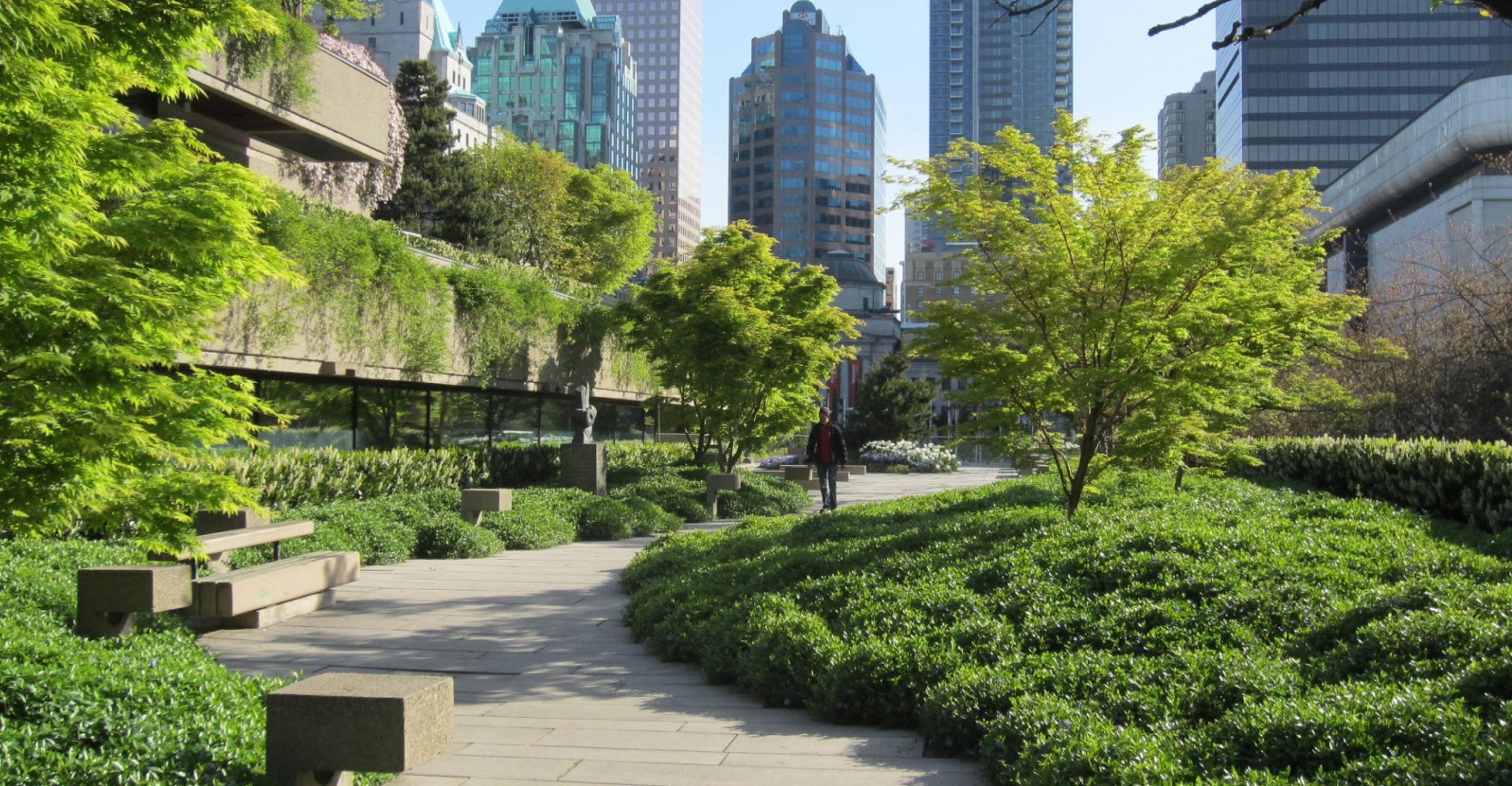
What if the solutions to our most pressing urban crises, from flooding and extreme heat to mental health, already exist in nature? In the second episode of USAID’s Green Cities podcast series, I speak with three world-leading experts who challenge the “artificial juxtaposition” of the city versus nature. This episode moves beyond theory to showcase concrete, nature-based solutions being implemented in cities across the globe.
In this episode, you will learn:
The Power of Nature-Based Solutions: Discover how natural systems like wetlands and coral reefs can outperform “gray infrastructure” (concrete and steel) in mitigating floods and improving air quality.
Healing the City: Explore the “Parks RX” movement, where doctors are prescribing time outdoors to treat chronic diseases, and learn about the measurable health benefits of urban green spaces.
Cooling the “Heat Islands”: Understand how urban design choices create dangerous heat and how cities like Shenzhen and Tel Aviv are using nature to lower temperatures and protect vulnerable populations.
Global Innovations in Motion: From Barcelona’s car-free “Superblocks” and Bogotá’s world-class bus rapid transit to Utrecht’s pollinator-friendly bus stops, see how cities are redesigning mobility and biodiversity for a more resilient future.
Featured Guests:
Ann Guerry, Chief Strategy Officer at the Natural Capital Project at Stanford University.
Rogier van den Berg, Acting Global Director for WRI Ross Center for Sustainable Cities.
Johanna Lovecchio, Associate Director at the Center for Resilient Cities and Landscapes at Columbia University.
“Nature provides for what we need. Period.” This episode is a masterclass in how we can stop fighting against our environment and start building with it.
Click play to see how the cities of today are being transformed into the resilient, green ecosystems of tomorrow.
This is a professional resume blog that highlights different elements of my career and provides more information about the skills, passions, and interests I bring to my work.