
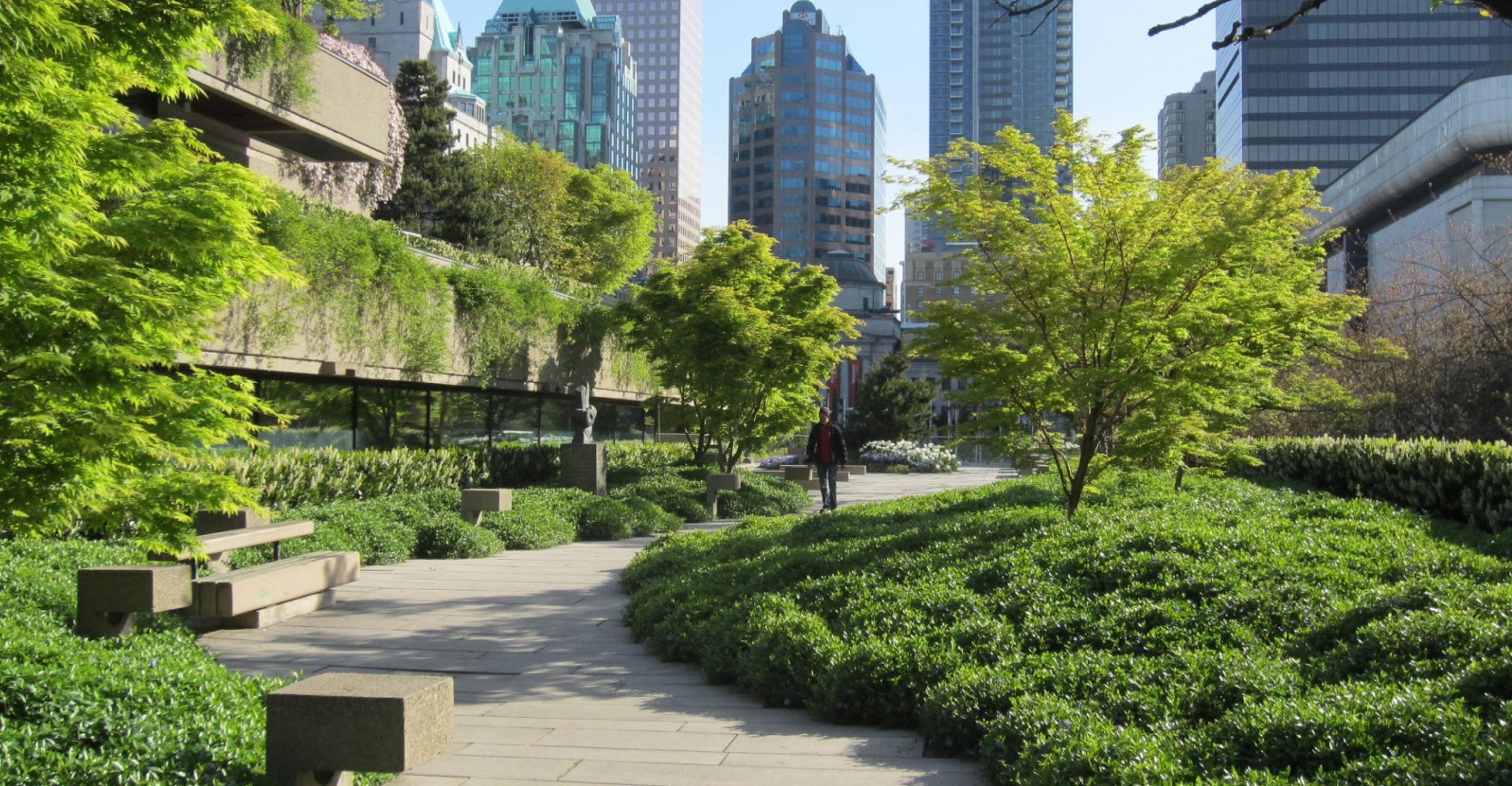
The final installment of USAID’s Green Cities podcast series that I hosted and co-produced with USAID and Shane Hofeldt, looks 25 to 50 years into the future to explore the “earthshot” ideas that will transform urban development. With 60% of the urban areas expected to exist by 2050 yet to be built, this episode highlights a once-in-a-generation opportunity to design cities that are sustainable, resilient, and equitable.
In this episode, you will hear from world-renowned experts on:
- The “Earthshot” Strategy: Why we need to move beyond “moonshots” to focus on nature-based solutions and green infrastructure that can be modeled by engineers and integrated into standard investment portfolios.
- New Metrics for Success: Learn why we must move past GDP to measure what truly matters, such as Gross Ecological Product (GEP)—a metric currently being piloted in China that accounts for the value of natural capital.
- Breaking the Cycle of Disaster: How cities can shift from a “bad cycle” of paying for damages after a disaster to proactively financing planning and mitigation.
- Inclusive Urbanization: A deep dive into the needs of the one billion people currently living in informal settlements, and why access to nature should be considered a basic human right for everyone, regardless of wealth.
- The City as an “Emancipatory Machine”: A vision of the future where cities are not “gray monsters” to escape, but healthy, beautiful hubs of innovation and biodiversity that work for both humans and the environment.
Featured Guests:
- Ann Guerry, Chief Strategy Officer and Lead Scientist at the Natural Capital Project at Stanford University.
- Rogier van den Berg, Acting Global Director for the World Resources Institute (WRI) Ross Center for Sustainable Cities.
- Joanna Lovecchio, Associate Director of the Center for Resilient Cities and Landscapes at Columbia University.
Click play to hear these leading voices as they paint a picture of the world-class cities of the future, and explain why they must be built by working with, not against, nature.

