Tag Archives: environment

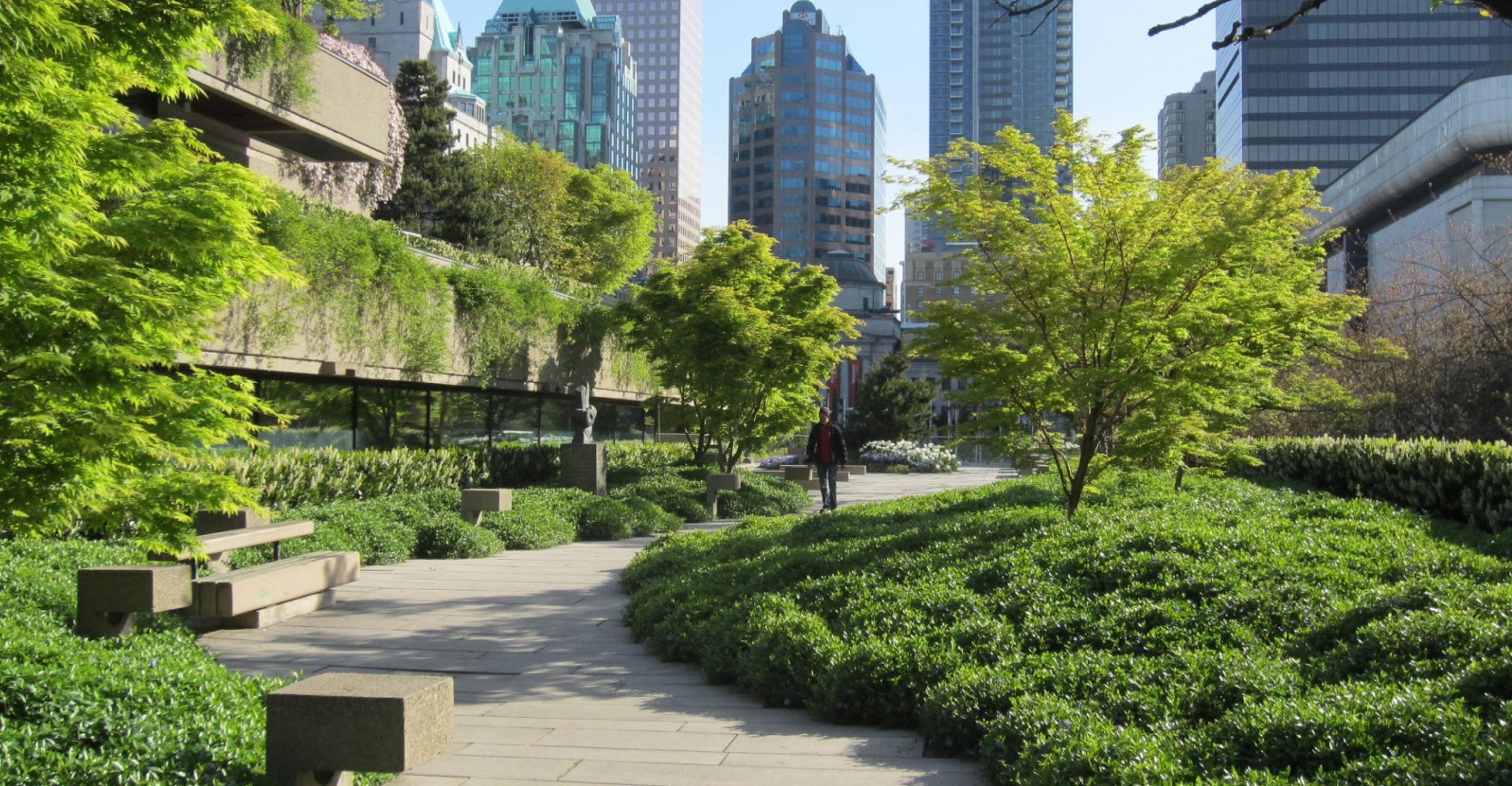
Green Cities Podcast Series | Episode 3: Earthshot Ideas

The final installment of USAID’s Green Cities podcast series that I hosted and co-produced with USAID and Shane Hofeldt, looks 25 to 50 years into the future to explore the “earthshot” ideas that will transform urban development. With 60% of the urban areas expected to exist by 2050 yet to be built, this episode highlights a once-in-a-generation opportunity to design cities that are sustainable, resilient, and equitable.

In this episode, you will hear from world-renowned experts on:

  • The “Earthshot” Strategy: Why we need to move beyond “moonshots” to focus on nature-based solutions and green infrastructure that can be modeled by engineers and integrated into standard investment portfolios.
  • New Metrics for Success: Learn why we must move past GDP to measure what truly matters, such as Gross Ecological Product (GEP)—a metric currently being piloted in China that accounts for the value of natural capital.
  • Breaking the Cycle of Disaster: How cities can shift from a “bad cycle” of paying for damages after a disaster to proactively financing planning and mitigation.
  • Inclusive Urbanization: A deep dive into the needs of the one billion people currently living in informal settlements, and why access to nature should be considered a basic human right for everyone, regardless of wealth.
  • The City as an “Emancipatory Machine”: A vision of the future where cities are not “gray monsters” to escape, but healthy, beautiful hubs of innovation and biodiversity that work for both humans and the environment.

Featured Guests:

  • Ann Guerry, Chief Strategy Officer and Lead Scientist at the Natural Capital Project at Stanford University.
  • Rogier van den Berg, Acting Global Director for the World Resources Institute (WRI) Ross Center for Sustainable Cities.
  • Joanna Lovecchio, Associate Director of the Center for Resilient Cities and Landscapes at Columbia University.

Click play to hear these leading voices as they paint a picture of the world-class cities of the future, and explain why they must be built by working with, not against, nature.
Green Cities Podcast Series | Episode 1: Urban Frontiers

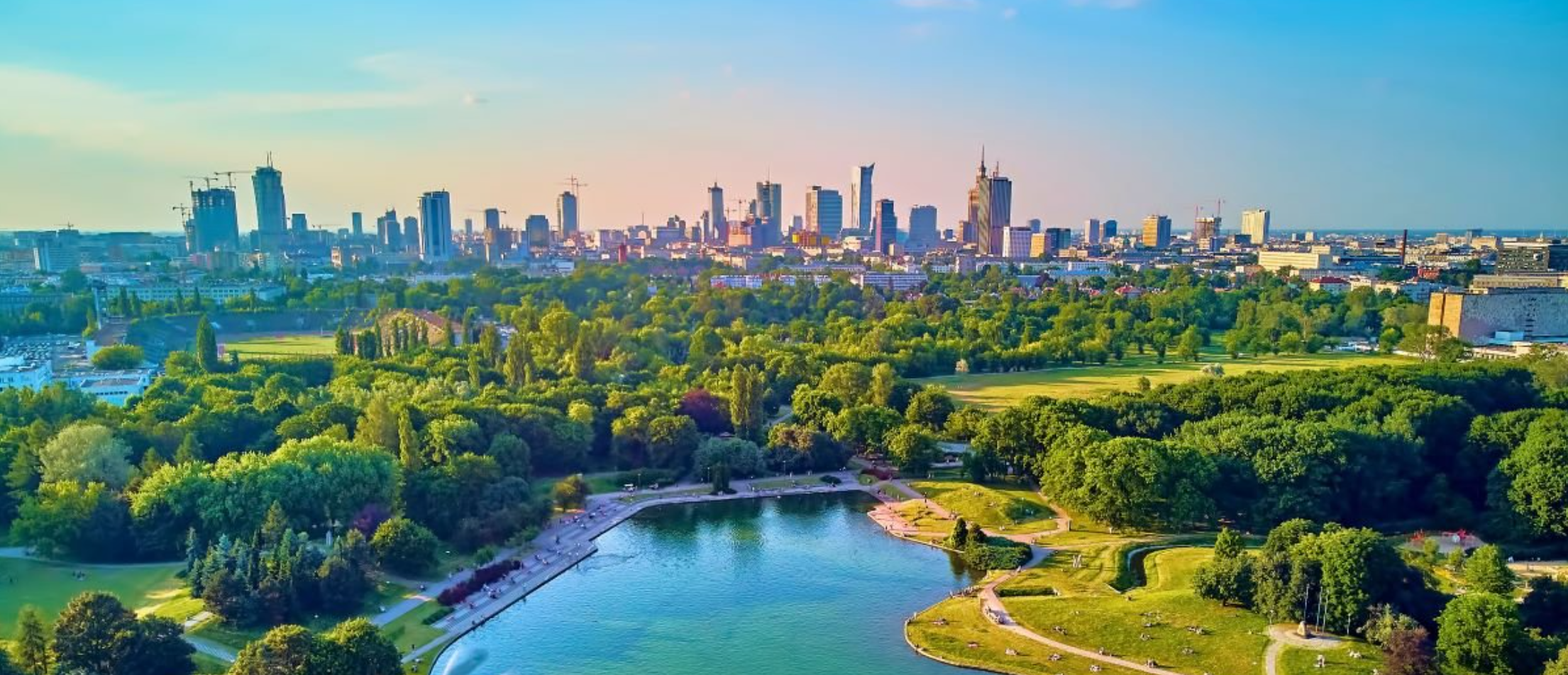
By 2100, 85% of the human population will live in cities, making urban solutions the most critical frontier for global development and opportunity. I had the privilege of co-producing and hosting the Green Cities Podcast series for USAID, which introduces the new USAID Green Cities Division and explores how urban transformation is integral to the sustainable development agenda.

In this premier episode, you will meet three leading voices in urban resilience and ecology:

  • Ann Guerry, Chief Strategy Officer at the Natural Capital Project, who discusses the vital connection between taking care of nature through people and taking care of people through nature.
  • Rogier van den Berg, Acting Global Director for the WRI Ross Center for Sustainable Cities, who shares how strategic urban planning can leverage economies of scale to drive climate solutions.
  • Johanna Lovecchio, Associate Director at the Center for Resilient Cities and Landscapes, who reflects on her lived experience in New York City to explain how cities can represent both human ingenuity and extreme fragility in the face of climate change.

Why you should listen: Historically, cities have been viewed as environmental “villains”—sources of smog, sprawl, and inequality. This episode flips the script, arguing that cities are actually the “hero” in the fight against climate change and biodiversity loss. You will learn why you cannot resolve the climate crisis without resolving cities, which currently account for two-thirds of global greenhouse gas emissions.

With 60% of the urban areas expected by 2050 yet to be built, we have a once-in-a-generation opportunity to design the sustainable, inclusive cities of the future. Whether you are interested in economic growth, gender equality, or urban resilience, this episode will get you hooked on urbanization as the primary driver for international development.

Click play to discover how we can stop fighting against nature and start building with it.

Why I Got Arrested

On Saturday, August 20th at 11:30am I, along with 65 other people, were arrested for “failure to obey a lawful order.”  I was hand cuffed with my hands behind my back, stuffed into the back of a police wagon with 16 other men, where we remained for over an hour and a half in 90+ degree heat, many of us in suits and ties, sweating profusely as the wagon temperature steadily rose. We were driven to the Washington, DC processing center in Anacostia where we were eventually taken out of the wagons and lined up against the wall, still in handcuffs.  To combat the heat and prevent dehydration we were provided fluids by tilting our heads back as water was poured into our mouths.  The handcuffs were finally taken off after we were escorted into the building where our possessions were bagged – shoe laces, belts, wedding ring, watch – and our bodies thoroughly frisked.  We were finger printed and our information was recorded – address, age, race, eye color.  We were crammed, 13 to 14 people at a time, into 6×8 holding cells equipped with one metal bench welded to the wall and a small metal toilet/sink combo, where we held for several hours.  I, along with 6 other arrestees who lived in the area, was released at around 7:00pm that same day, while the others who were from out of town, spent the next two nights in jail.  This is the story of my first arrest.  It was hot, crammed,  enlightening and amazing all at the same time!

Continue reading

SCA Conflict Resolution Workshop

This Tuesday I teamed up with a friend and fellow peace educator, Tarek Maassrani, to co-facilitate a conflict resolution workshop for 45 crew leaders in the Washington DC Department of the Environment’s Green Zone Environmental Program (GZEP).  We were sub-contracted by the Student Conservation Association – an educational and environmental non-profit that works with youth across the country on conservation and trail building.  They also work with GZEP in coordinating a series of workshops on leadership, conflict resolution, trailbuilding, and teamwork to orient GZEP crew leaders and prepare them for the program.   Learn more about what we covered in the workshop.

Continue reading