Category Archives: podcast

Green Cities Podcast Series | Episode 3: Earthshot Ideas

The final installment of USAID’s Green Cities podcast series that I hosted and co-produced with USAID and Shane Hofeldt, looks 25 to 50 years into the future to explore the “earthshot” ideas that will transform urban development. With 60% of the urban areas expected to exist by 2050 yet to be built, this episode highlights a once-in-a-generation opportunity to design cities that are sustainable, resilient, and equitable.

In this episode, you will hear from world-renowned experts on:

  • The “Earthshot” Strategy: Why we need to move beyond “moonshots” to focus on nature-based solutions and green infrastructure that can be modeled by engineers and integrated into standard investment portfolios.
  • New Metrics for Success: Learn why we must move past GDP to measure what truly matters, such as Gross Ecological Product (GEP)—a metric currently being piloted in China that accounts for the value of natural capital.
  • Breaking the Cycle of Disaster: How cities can shift from a “bad cycle” of paying for damages after a disaster to proactively financing planning and mitigation.
  • Inclusive Urbanization: A deep dive into the needs of the one billion people currently living in informal settlements, and why access to nature should be considered a basic human right for everyone, regardless of wealth.
  • The City as an “Emancipatory Machine”: A vision of the future where cities are not “gray monsters” to escape, but healthy, beautiful hubs of innovation and biodiversity that work for both humans and the environment.

Featured Guests:

  • Ann Guerry, Chief Strategy Officer and Lead Scientist at the Natural Capital Project at Stanford University.
  • Rogier van den Berg, Acting Global Director for the World Resources Institute (WRI) Ross Center for Sustainable Cities.
  • Joanna Lovecchio, Associate Director of the Center for Resilient Cities and Landscapes at Columbia University.

Click play to hear these leading voices as they paint a picture of the world-class cities of the future, and explain why they must be built by working with, not against, nature.
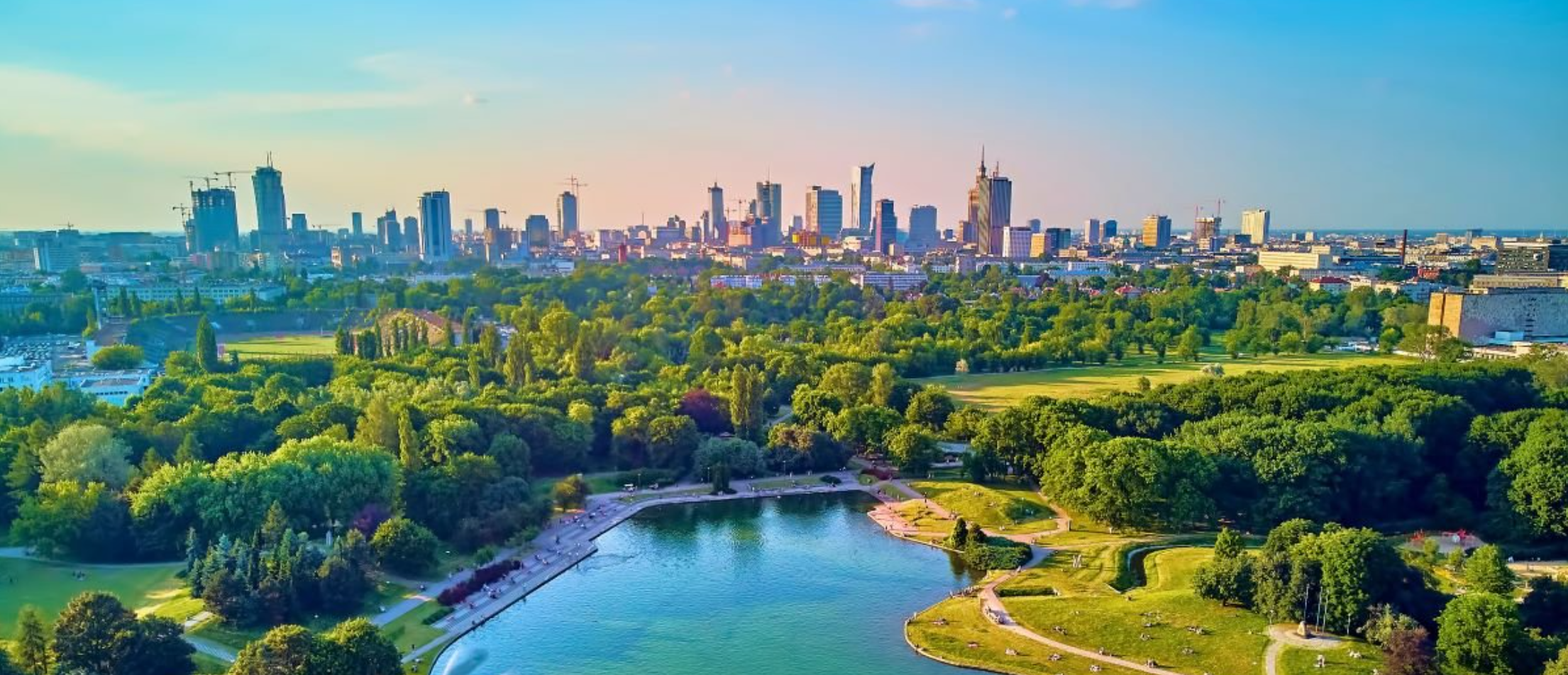
Green Cities Podcast Series | Episode 2: Nature as Infrastructure

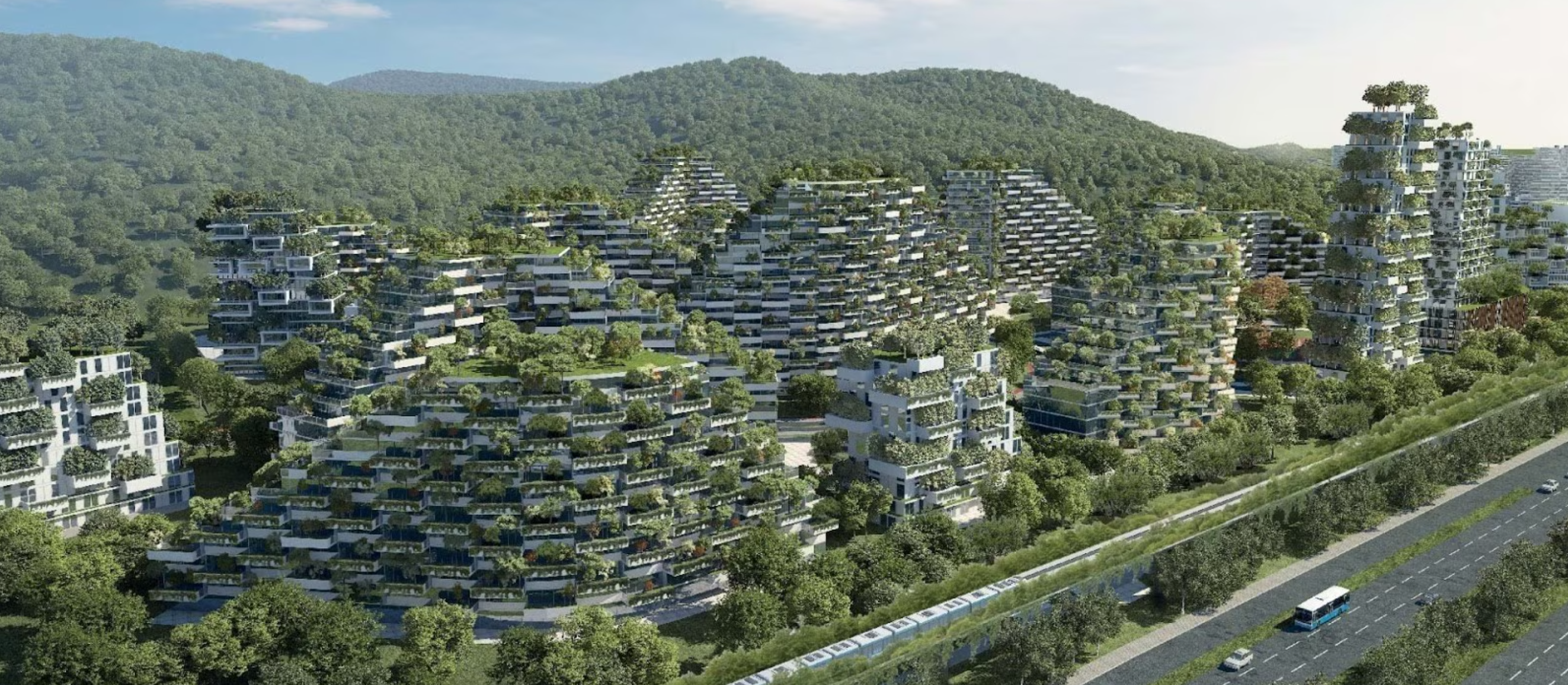
What if the solutions to our most pressing urban crises, from flooding and extreme heat to mental health, already exist in nature? In the second episode of USAID’s Green Cities podcast series, I speak with three world-leading experts who challenge the “artificial juxtaposition” of the city versus nature. This episode moves beyond theory to showcase concrete, nature-based solutions being implemented in cities across the globe.

In this episode, you will learn:

  • The Power of Nature-Based Solutions: Discover how natural systems like wetlands and coral reefs can outperform “gray infrastructure” (concrete and steel) in mitigating floods and improving air quality.
  • Healing the City: Explore the “Parks RX” movement, where doctors are prescribing time outdoors to treat chronic diseases, and learn about the measurable health benefits of urban green spaces.
  • Cooling the “Heat Islands”: Understand how urban design choices create dangerous heat and how cities like Shenzhen and Tel Aviv are using nature to lower temperatures and protect vulnerable populations.
  • Global Innovations in Motion: From Barcelona’s car-free “Superblocks” and Bogotá’s world-class bus rapid transit to Utrecht’s pollinator-friendly bus stops, see how cities are redesigning mobility and biodiversity for a more resilient future.

Featured Guests:

  • Ann Guerry, Chief Strategy Officer at the Natural Capital Project at Stanford University.
  • Rogier van den Berg, Acting Global Director for WRI Ross Center for Sustainable Cities.
  • Johanna Lovecchio, Associate Director at the Center for Resilient Cities and Landscapes at Columbia University.

“Nature provides for what we need. Period.” This episode is a masterclass in how we can stop fighting against our environment and start building with it.

Click play to see how the cities of today are being transformed into the resilient, green ecosystems of tomorrow.

Green Cities Podcast Series | Episode 1: Urban Frontiers

By 2100, 85% of the human population will live in cities, making urban solutions the most critical frontier for global development and opportunity. I had the privilege of co-producing and hosting the Green Cities Podcast series for USAID, which introduces the new USAID Green Cities Division and explores how urban transformation is integral to the sustainable development agenda.

In this premier episode, you will meet three leading voices in urban resilience and ecology:

  • Ann Guerry, Chief Strategy Officer at the Natural Capital Project, who discusses the vital connection between taking care of nature through people and taking care of people through nature.
  • Rogier van den Berg, Acting Global Director for the WRI Ross Center for Sustainable Cities, who shares how strategic urban planning can leverage economies of scale to drive climate solutions.
  • Johanna Lovecchio, Associate Director at the Center for Resilient Cities and Landscapes, who reflects on her lived experience in New York City to explain how cities can represent both human ingenuity and extreme fragility in the face of climate change.

Why you should listen: Historically, cities have been viewed as environmental “villains”—sources of smog, sprawl, and inequality. This episode flips the script, arguing that cities are actually the “hero” in the fight against climate change and biodiversity loss. You will learn why you cannot resolve the climate crisis without resolving cities, which currently account for two-thirds of global greenhouse gas emissions.

With 60% of the urban areas expected by 2050 yet to be built, we have a once-in-a-generation opportunity to design the sustainable, inclusive cities of the future. Whether you are interested in economic growth, gender equality, or urban resilience, this episode will get you hooked on urbanization as the primary driver for international development.

Click play to discover how we can stop fighting against nature and start building with it.

2017 Gandhi-King Conference with Kaiya

This year I returned to the wonderful city of Memphis, TN to attend and facilitate a workshop at the Gandhi-King Conference. This was my sixth time attending the conference and this year the experience was that much more special because I got to share it with my (just turned) five-year old daughter, Kaiya.

There are a number of reasons why I love this conference, which happens every year and always takes place in Memphis. This year I facilitated a workshop, “Podcasting for Peace” during which I and the participants co-created an episode of the Peace Frequency – a podcast series I host and produce at the United States Institute of Peace. The series taps into the stories of people across the globe who are making peace possible and finding ways to create a world free of violent conflict. Through the co-creation process, participants learned about how the podcast series came to be and some of the ways in which I structure the episodes and facilitate conversation with guests. That was the main reason I came to Memphis, but the day to day experience is worth documenting.

Continue reading

Peace Frequency Podcast – Community Based Peacebuilding Series

This month I had the great privilege of helping co-facilitate and design the USIP online course, Community Based Peacebuilding: Engaging Youth. The main instructor for the course was Dr. Alison Milofsky, who is a brilliant, dynamic and gifted facilitator. Part of the course experience involved four great interviews on the Peace Frequency podcast. Alison and I co-hosted these episodes and were able to bring some great stories and perspectives into the course.

Peace Frequency w/ Guest, Mark Brimhall-Vargas. In this episode we explored the different definitions and types of dialogue and discussed some of the important complexities involving race, class, gender, sexual orientation and other dimension of identity.

___

Peace Frequency w/ Guest, Ariana Barth. In this episode Ariana shares her experience facilitating dialogues with youth who come from communities engaged in intense identity based conflicts.

___

Peace Frequency w/ Guest, Dominic Barter. In this episode we speak with one of the world’s most well-respected practitioners of dialogue who sheds light on concepts such as community, relationship, justice, and conflict.

___

Peace Frequency Special Episode w/ Guests, Arthur Romano, Elavie Ndura, Nadine Bloch, and Kazu Haga. In this special episode we celebrate and interrogate the legacy of Martin Luther King, Jr. by speaking with four scholars, practitioners, and activists who have immersed themselves in nonviolent movements in unique and distinct ways.

___

Peace Frequency w/ Guest, Jeff Guerra. In this episode we speak with a Colombian DJ and producer whose music is helping build and spread messages of peace across lines of cultural, racial, and ethnic difference.

Peace Frequency Podcast – Conflict Analysis Series

During the month of November, I had the pleasure of helping facilitate a United States Institute of Peace online course on conflict analysis. Throughout the month the main instructors in the course, Jeff Helsing and Matt Levinger, gave learners a look into some of the basic principles of conducting a conflict analysis and the various frameworks that aid individuals and organizations in doing this work. We interviewed several amazing peacebuilders on the Peace Frequency podcast and heard them share how their experiences in the field have shaped their understanding of conducting an effective conflict analysis.

Peace Frequency w/ Guest, Candace Karp. In this episode we hear about some of the lessons Candace learned working for the United Nations in Afghanistan and Israel/Palestine.

___

Peace Frequency w/ Guest, Sharon Morris. In this episode we learn about Sharon’s work with youth and the difficulties that come with conflict analysis in that it can open up festering wounds of a community harmed by violence.

___

Peace Frequency w/ Guest, Lisa Schirch. In this episode we dive into the origins of the peacebuilding field, the various definitions of the practice, and the diversity of conflict assessment frameworks utilized by various organizations.

___

Peace Frequency w/ Guest, Matt Levinger. In this episode we look at USIP’s conflict assessment framework and some of the guiding principles behind conducting an effective and sensitive conflict analysis.


Peace Frequency Podcast – Strategic Peacebuilding Series

During the month of October, I had the pleasure of helping facilitate a USIP online course called Strategic Peacebuilding. The main instructor for the course was George Lopez, who took about 40 students through an amazing educational journey exploring the 7 components of strategic peacebuilding. Part of this journey included four episodes of the Peace Frequency podcast series, where George and I interviewed prominent peacebuilders about their work. Take a listen to the series. Enjoy.

Peace Frequency w/ Guest, George Lopez. In this interview we touch on topics of how the peacebuilding field has evolved and adapted overtime and how the concept of “strategic peacebuilding” came to be.

___

Peace Frequency w/ Guest, Nadia Gerspacher. In this interview we talk about community policing and advising.

___

Peace Frequency w/ Guest Maria Stephan. In this interview we explore the world of nonviolent, civil resistance and the implications of her award-winning book, Why Civil Resistance Works: The Strategic Logic of Nonviolent Conflict.

___

Peace Frequency w/ Guest Fiona Mangan. In this interview we talk about establishing and protecting the rule of law in conflict affected environments and interviewing prisoners to learn about how justice systems are being implemented.

Peace Frequency Interview with Severine Autesserre

I had the pleasure of sitting down with Severine Autesserre, author of the book, Peaceland: Conflict Resolution and the Everyday Politics of International Intervention. It was a fascinating conversation and one that has launched me into the world of podcasting. Give it a listen.