Democracy Matters Summit

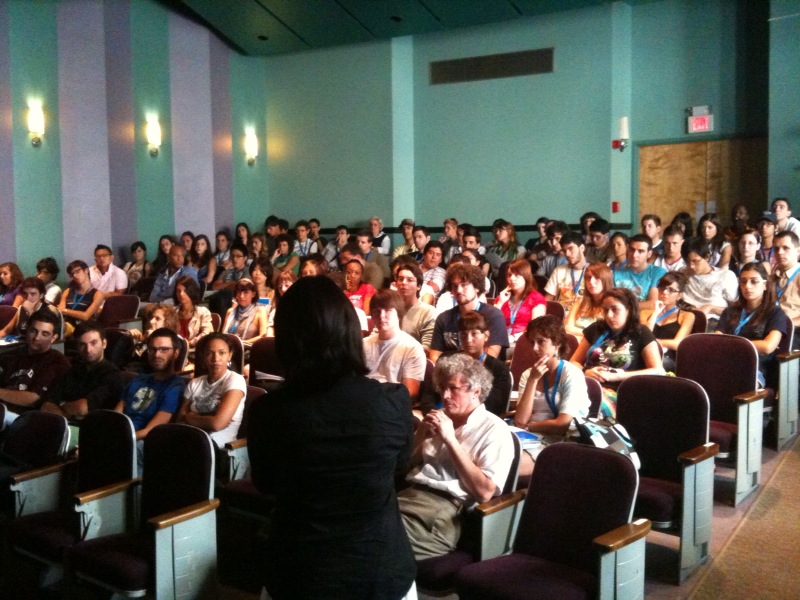
This past weekend I had the honor of attending my third Democracy Matters student summit.  This year I facilitated three workshops:

(1) Organizing 101: How to Organize S.M.A.R.T. campaigns – This workshop looked at five ways campus organizers can think about their campaigns strategically.  The SMART model (slightly amended for the purpose of this workshop) asks if your campaign is Specific, Measurable, Advertised (adapted from achievable), Realistic, and Timebound.

(2) Winning Over Your Audience: Tips for Great Public Speaking – This workshop helped students organizers get comfortable speaking about money in politics and how it connects with other hot button issues.

(3) Interactive Audience Engagement Techniques – This workshops introduced students to a couple activities they can use to increase participation among their audiences.

Continue reading →

Orange Revolution Screening and Panel Discussion

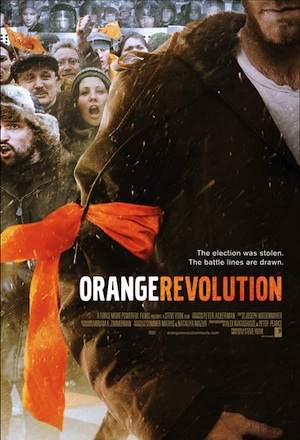
This evening I was at WHYY in Philadelphia, PA to moderate a panel on the role of nonviolent resistance in the Orange Revolution.  The discussion followed a screening of the documentary film, Orange Revolution.

I was joined on the panel with three other individuals.  Steve York, the director of the documentary, spoke in depth about the struggle and what the experience was like shooting the film.  Adrian Karatnycky, Senior Fellow at the Atlantic Council and Managing Partner of Myrmidon Group LLC, spoke about some of the politics behind the Orange Revolution and the future of Ukraine.  Mary Lord, Scholar in Residence at Pendle Hill, talked about the differences between nonviolence as an ethical and moral principle versus nonviolent action as a strategic means to achieve and wield political and social power.

I had been working a lot with WHYY and York/Zimmerman, Inc. (the film’s production company) in organizing this event.  I was really happy with how it turned out.

Workshop in Belize

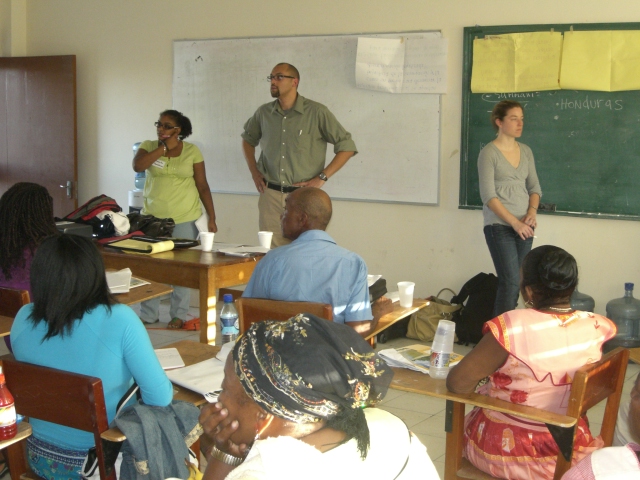
I just got back from Belize where my colleague Althea and I facilitated an introductory workshop on the theory and strategy of nonviolent conflict.

We were invited by the Central American Black Organization (CABO).

Training for Change Workshop

This past weekend I participated in a Training for Change workshop.

Training for Change is an outstanding organization started by Quaker, nonviolence theorist, and practitioner, George Lakey.

Fall Semester Begins at American University

Today, the fall semester at American University begins and I start teaching, “Education for International Development.”  Here is a snippet from the syllabus I put together.

This course will expose students to various perspectives from across the globe that seek to address the myriad development challenges societies face around the world. Students will investigate such questions as: what are the most pressing development issues facing humans around the world? How do theories of international development approach these challenges? What role does education play in empowering individuals and communities to address these challenges? What barriers do communities face in gaining access to an adequate education? How can ordinary people get involved in helping advance development goals and achieving education for all?

To answer these questions, the course is designed to look at education for international development both theoretically and programmatically in achieving specific development goals and outcomes in the following fields: economic growth, health promotion, civil society, youth development, peace building, women’s empowerment, and environmental sustainability.

The course will include a mixture of readings, videos, class discussions, activities, papers, guest speakers, and group projects. This mixture will allow you to delve into the core questions of the course, develop a basic understanding of the various fields and educational approaches within international development, and provide each of you with an opportunity to participate in the learning experience in ways that play to your strengths while at the same time challenging you to develop other skills and knowledge.

The Case for Fair Elections

Leading up to the House Judiciary Committee’s hearing on the Fair Elections Now Act, Common Cause wanted to spread the word about why the bill was important and why people have been working so hard to get it passed.

I made a short video highlighting some of the folks who have been working on passing the legislation.  This video was shot on a Sony mini DV handicam and edited on Windows Moviemaker.  Take a look.

Education First Presentation

I have been consulting for ICNC for a little over a month and have enjoyed the work.  Earlier this week I traveled up to Tarrytown, NY to give an introductory presentation on the history and theory of nonviolent conflict.  I was joined by one of my colleagues.  The presentation was for a group of international students studying in the United States with the study abroad program, Education First.

Power Shift Conference

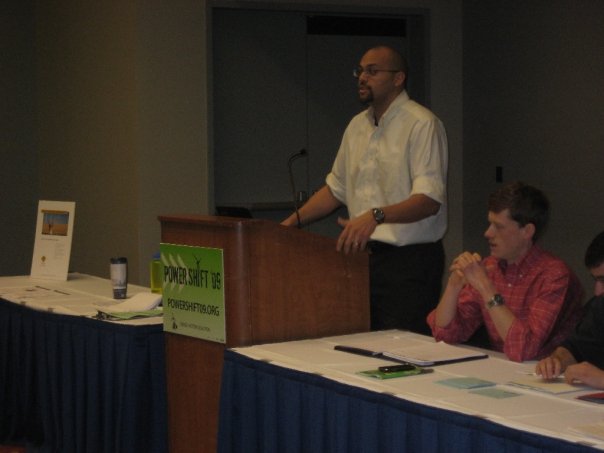
This past weekend I moderated a panel discussion at the 2009 Power Shift conference.

Protect the Student Vote PA Road Trip

As we approach one of the most historic elections in American history, it is essential that voters across the country – particularly first-time voters – are aware of the rights, procedures, and responsibilities that come with voting.

One of the major campaigns I am leading at Common Cause is our Protect the Student Vote campaign, which is designed to educated student voters about how and when they can register, where their polling places are located, during what hours are the polling places open in their state, and what to do if they feel they have been illegally barred from voting.

Watch the short promotional video I made during my road trip.  This short video was shot on a Sony mini DV camera and editing on Windows Moviemaker.

Gandhi/King Conference

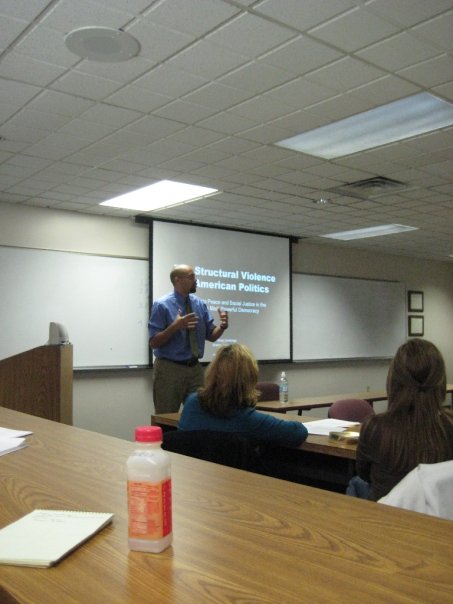
This weekend I presented a paper at the Gandhi/King conference in Memphis, TN.  The paper is titled, “The Structural Violence of American Politics: Barriers to Peace and Justice in the World’s Most Powerful Democracy.”  Here is a quick excerpt from the introduction:

One of the biggest challenges America faces today is the overwhelming role of private money in the political process. The private financing of election campaigns is a form of structural violence in America’s political system because it creates an inequality of political power. This form of structural violence perpetuates social inequities and injustice that in turn enable and encourage the use of violence as a tool of American foreign policy. This paper makes the case that citizens need to combat this form of structural violence in America’s political system in order to overcome barriers to peace and social justice in the world’s most powerful democracy.

This was the second time I had presented this paper.  The first was at the Gandhi Center for Nonviolence conference at James Madison University.