Tag Archives: facilitation

Hip Hop and Facilitation: DJing – Curation, Flow, and the Breakbeats of Learning

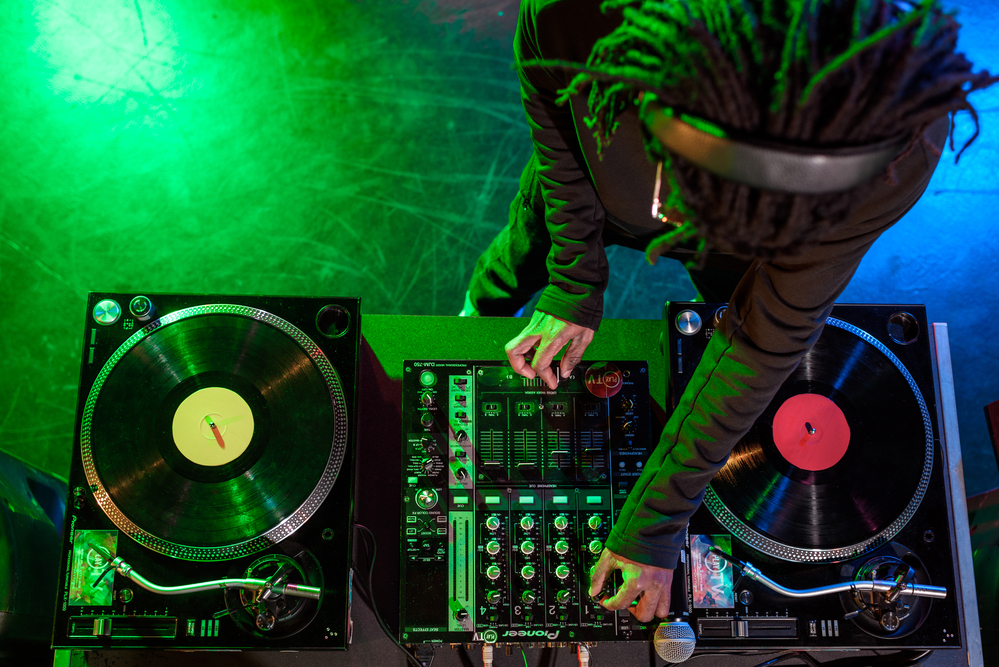
I’ve always thought of myself as an educational DJ. It’s the metaphor that, more than any other, captures what I actually do as a facilitator. Because at the end of the day, a DJ’s job is to create an experience where people are moved, literally, physically, emotionally moved. And a facilitator’s job is to create an experience where people are moved to learn. The skills required to do both of those things well are remarkably, almost uncannily, similar.
Curation Over Content Expertise

A DJ doesn’t need to have written every song they play. They don’t need to be a musician or a composer. What they need is taste, knowledge of their audience, and the skill to blend and sequence what already exists into something that works for the room in front of them.

Continue reading
Hip Hop and Facilitation: Graffiti Writing and Marking the Territory

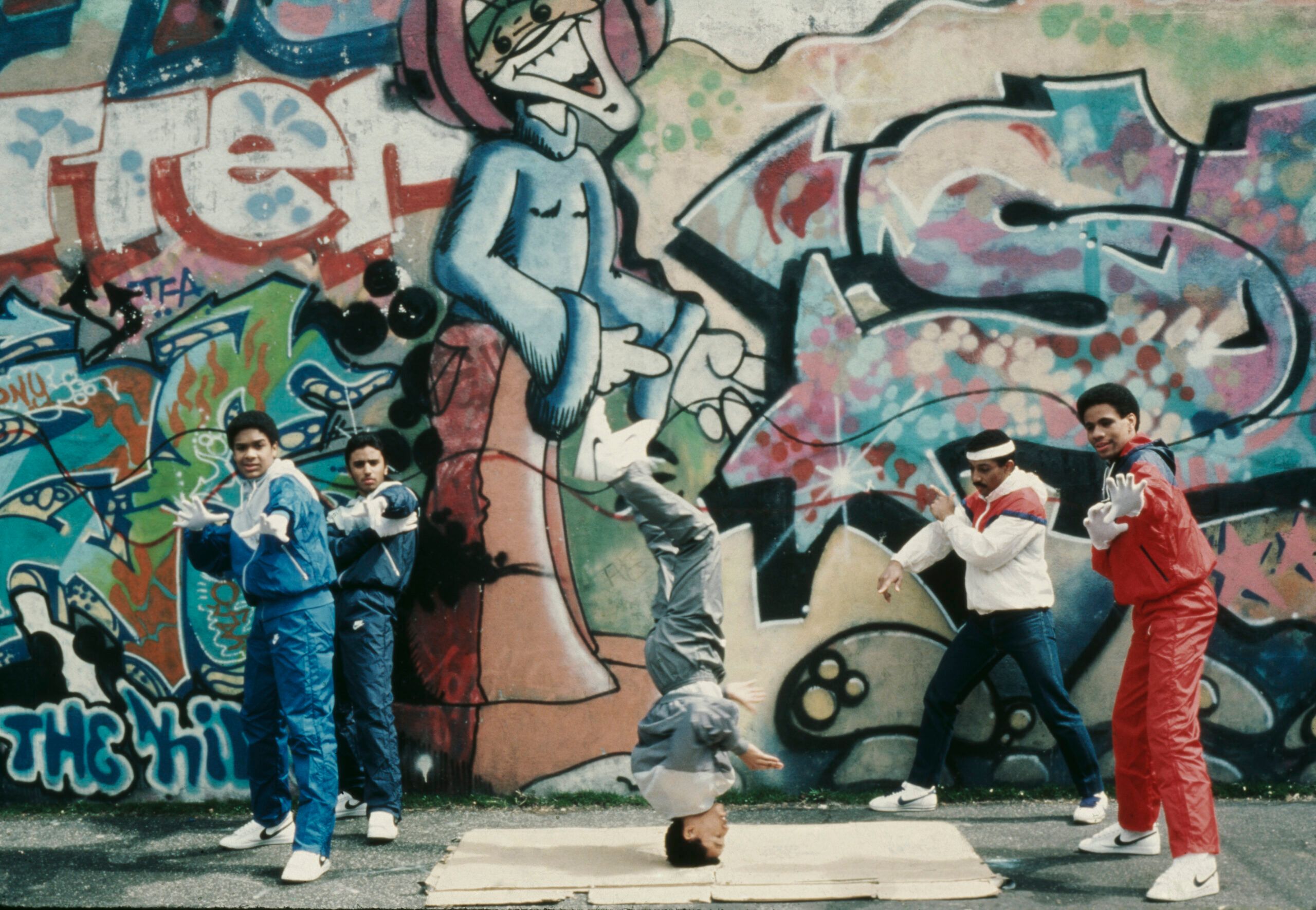
Graffiti gets misunderstood. People see vandalism. What graffiti writers in hip hop culture see is something entirely different: a visual language, a way of marking territory, of asserting identity, of putting something into public space that speaks, provokes, and belongs to the community that created it. Every graffiti artist develops their own style—their signature, their voice in color and form. And when you understand it through that lens, you start to see it everywhere in good facilitation work.

The Room Is a Canvas

Before participants arrive to a workshop or training, a facilitator has already been at work. The room has been transformed. Flip charts are up on the walls. Names are written in big, colorful letters. Images representing key concepts are posted around the space. Maybe there are contributions participants shared in a pre-workshop survey, already captured and displayed so people walk in and see their own thinking reflected back at them.

Continue reading

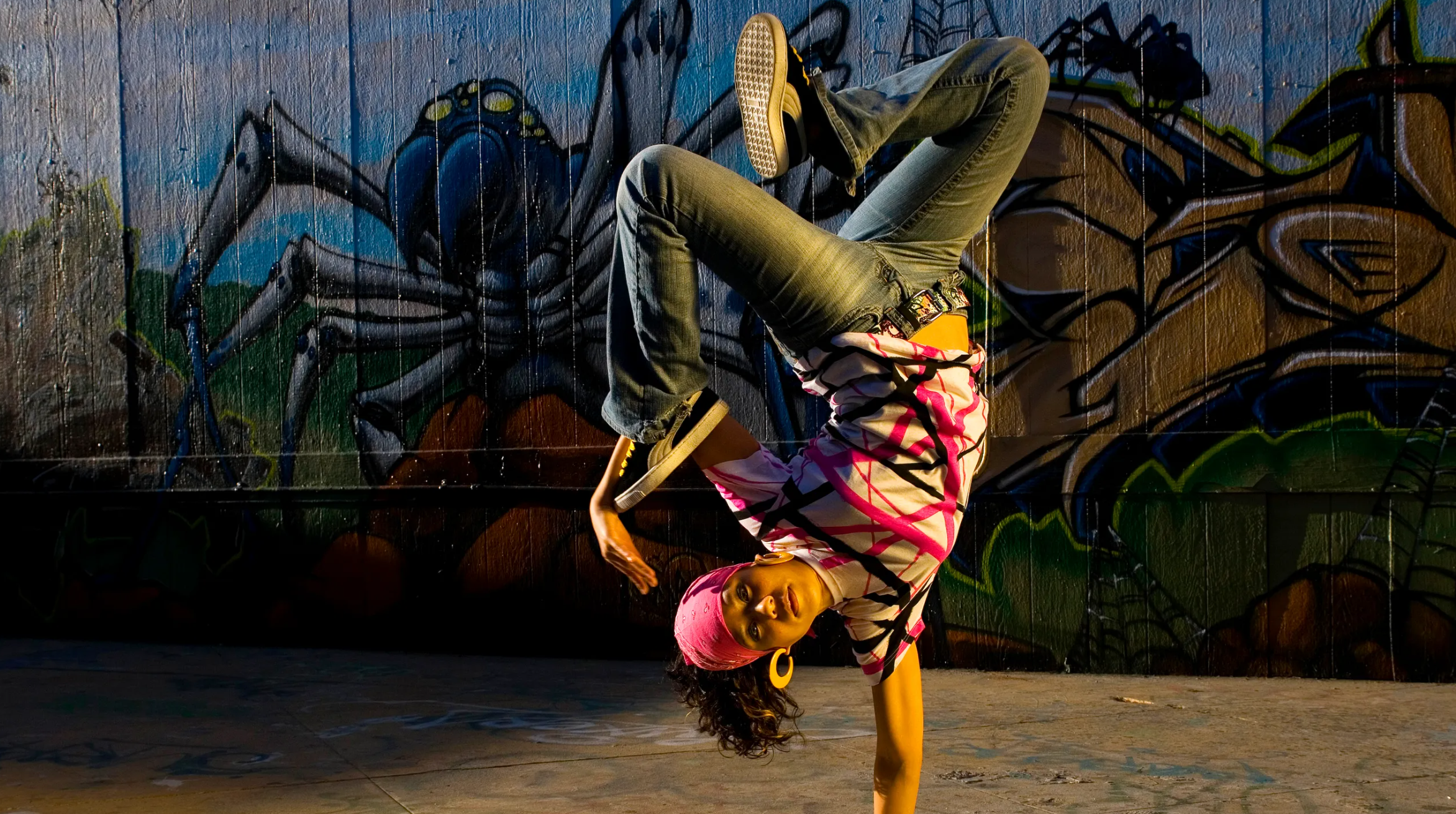
Hip Hop and Facilitation: B-Boying & B-Girling and The Art of Improvisation Within Structure

Step into a cypher and watch a b-boy or b-girl work, and you’ll see something that looks like pure spontaneity. They’re spinning, freezing, launching into footwork, responding to the music, to the energy of the crowd, to whatever the last dancer just did. It looks free. It looks improvised.

And it is. But it’s also built on a foundation of deeply practiced, rigorously developed moves.

That tension, between structure and freedom, between the learned and the spontaneous, is at the heart of breakdancing. And it’s at the heart of facilitation too.

Continue reading

Hip Hop and Facilitation: The MC and Holding Space

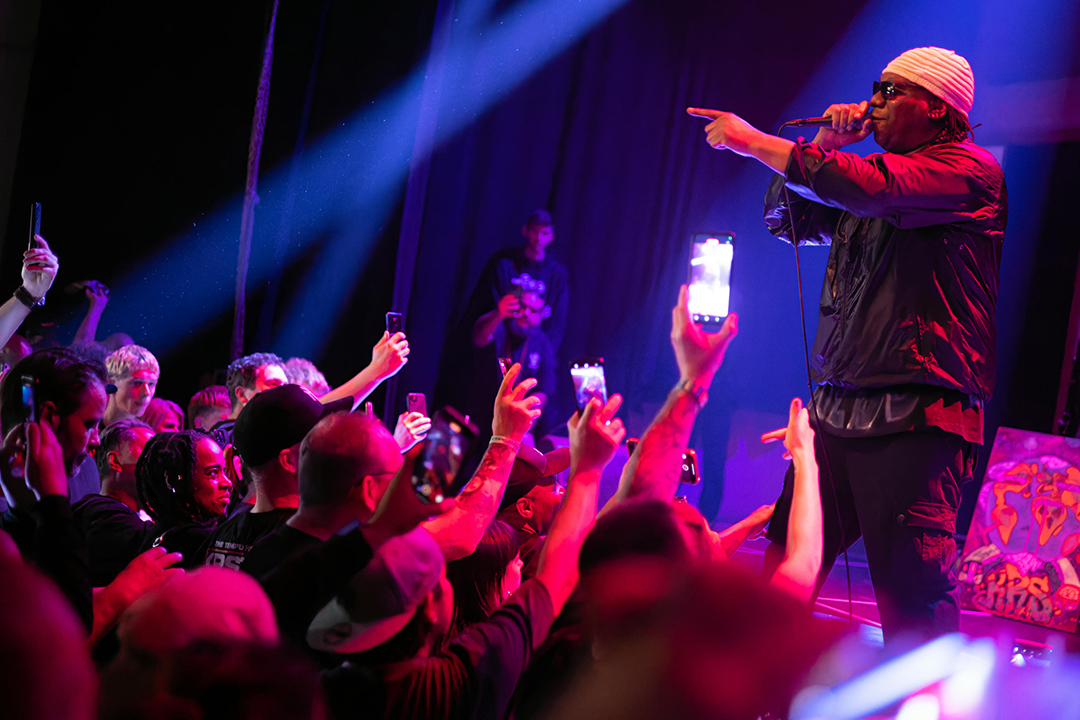
When an MC steps up to the mic, their job is clear: get everyone in that room engaged, energized, and connected to what’s happening in this moment. They’re not just performing. They’re creating a container. They’re weaving a narrative. They’re reading the crowd and responding to what they find. And they’re doing all of this while making it look effortless.

KRS One

Sound familiar? It should. Because that’s exactly what a facilitator does.

When participants walk into a workshop or training, they’re looking for someone who’s going to provide structure and guidance, but not in a way that feels rigid or top-down. They want to feel energized. They want to feel like they know what they’re supposed to be doing. They want to feel like they’re part of something collective, not just sitting in a room waiting to be talked at.

That’s the MC’s job. And it’s the facilitator’s job too.

Continue reading

Nonviolent Action Workshops in Cambodia

IMG_3445

For the past ten days my colleague, Althea and I were in Phnom Penh where we facilitated two workshops on nonviolent civil resistance. We were invited by a diaspora based group called Khmer Unity whose mission is advocating for democracy, human rights, and territorial sovereignty/integrity in Cambodia.  They network and collaborate with other nongovernmental organizations both domestically and internationally for the betterment of Cambodia.

This was an amazing experience for a number of reasons. First, this was my first time in Cambodia so I was constantly soaking up the history, culture, and environment while I was there. Second, the process of designing and facilitating a workshop on nonviolent action for learners whose mother tongue is  Khmer – a language very different from English – posed some challenges that helped me and Althea think in new ways about how to talk and teach about the topic. And third, it was an opportunity that brought me into contact with so many amazing people who are organizing around a myriad of issues.

Continue reading

2011 Gandhi-King Conference

From Thursday, October 20 to Sunday, October 23 I attended the Gandhi-King Conference in Memphis, TN. This was my third time attending and presenting at the conference and, like always, it remains one of the highlights of my year. This year the conference was organized in partnership with the Peace and Justice Studies Association, which brought in even more outstanding presenters and scholars. I was part of two sessions this year. The first was a panel organized by Michael Nagler, president and founder of the Metta Center for Nonviolence. The topic was, “Nonviolence: Principled and Strategic,” which looked at the ongoing conversation that seeks to clarify the distinctions and commonalities between the two orientations to the practice of nonviolence. The second session was a participatory workshop I designed and facilitated called, “Teach the Struggle: Nonviolence in the Classroom,” which engaged participants in a variety of activities and exercises they can use with their own students to explore various concepts related to nonviolent action and civil resistance. The amazing thing about that workshop is that about ten minutes into it, Dolores Huerta walked in to join us!!! More on that later. Continue reading to learn more…

Continue reading

Presentation for the One World Youth Project

This past weekend I gave a presentation on skills and approaches to teaching and facilitation for the One World Youth Project (OWYP).  OWYP is a great non-profit educational organization that links schools globally in service-learning to prepare the next generation for the globalized 21st century. In service of this mission they train college and university students  to go into local high school and middle schools to teach and implement elements of the OWYP curriculum which focuses on exploring the Millennium Development Goals and other global issues.  My presentation was filmed and will be put online to be used as a resources for college students who are “educators in training” interested in learning more about specific education approaches and teaching techniques that can help them be creative, culturally aware, and effective facilitators for OWYP.  Continue reading to check out my remarks.

Continue reading

Key Insights from George Lakey’s book, “Facilitating Group Learning”

I recently finished reading George Lakey’s new book, Facilitating Group Learning: Strategies for Success with Diverse Adult Learners.  I thoroughly enjoyed this book because it provides a clear description and examples of what experiential education, or what Lakey calls direct education, is and entails.  Having been an experiential educator for several years now, Lakey and his colleagues at Training for Change, have become a real source of learning for me and my work.  Below are several key insights from the book:

Continue reading