Category Archives: Education/Training

Hip Hop and Facilitation: DJing – Curation, Flow, and the Breakbeats of Learning

I’ve always thought of myself as an educational DJ. It’s the metaphor that, more than any other, captures what I actually do as a facilitator. Because at the end of the day, a DJ’s job is to create an experience where people are moved, literally, physically, emotionally moved. And a facilitator’s job is to create an experience where people are moved to learn. The skills required to do both of those things well are remarkably, almost uncannily, similar.

Curation Over Content Expertise

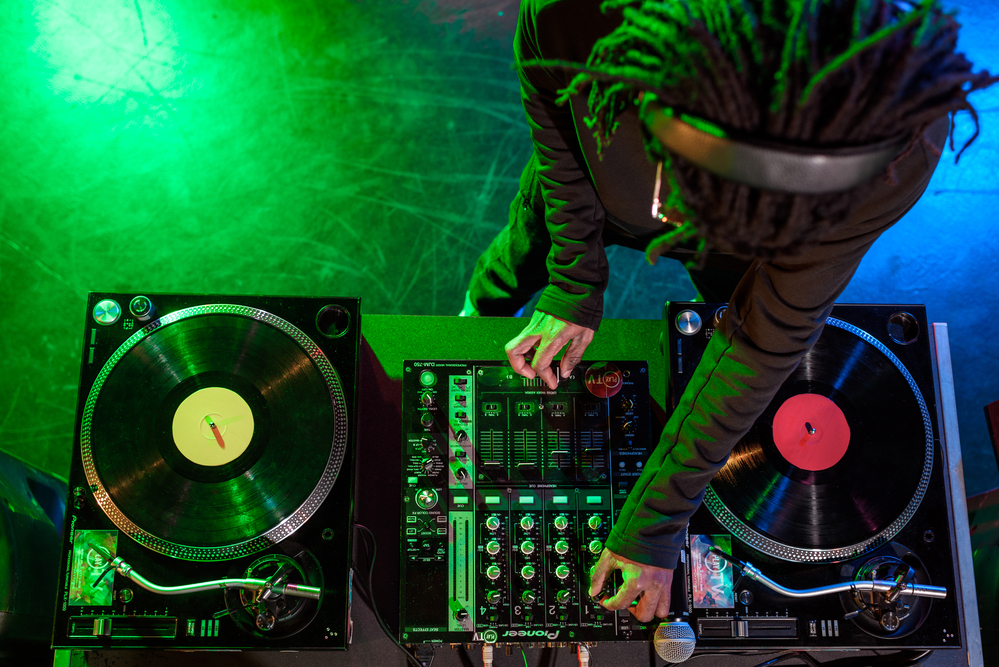
A DJ doesn’t need to have written every song they play. They don’t need to be a musician or a composer. What they need is taste, knowledge of their audience, and the skill to blend and sequence what already exists into something that works for the room in front of them.

Continue reading

Hip Hop and Facilitation: Graffiti Writing and Marking the Territory

Graffiti gets misunderstood. People see vandalism. What graffiti writers in hip hop culture see is something entirely different: a visual language, a way of marking territory, of asserting identity, of putting something into public space that speaks, provokes, and belongs to the community that created it. Every graffiti artist develops their own style—their signature, their voice in color and form. And when you understand it through that lens, you start to see it everywhere in good facilitation work.

The Room Is a Canvas

Before participants arrive to a workshop or training, a facilitator has already been at work. The room has been transformed. Flip charts are up on the walls. Names are written in big, colorful letters. Images representing key concepts are posted around the space. Maybe there are contributions participants shared in a pre-workshop survey, already captured and displayed so people walk in and see their own thinking reflected back at them.

Continue reading

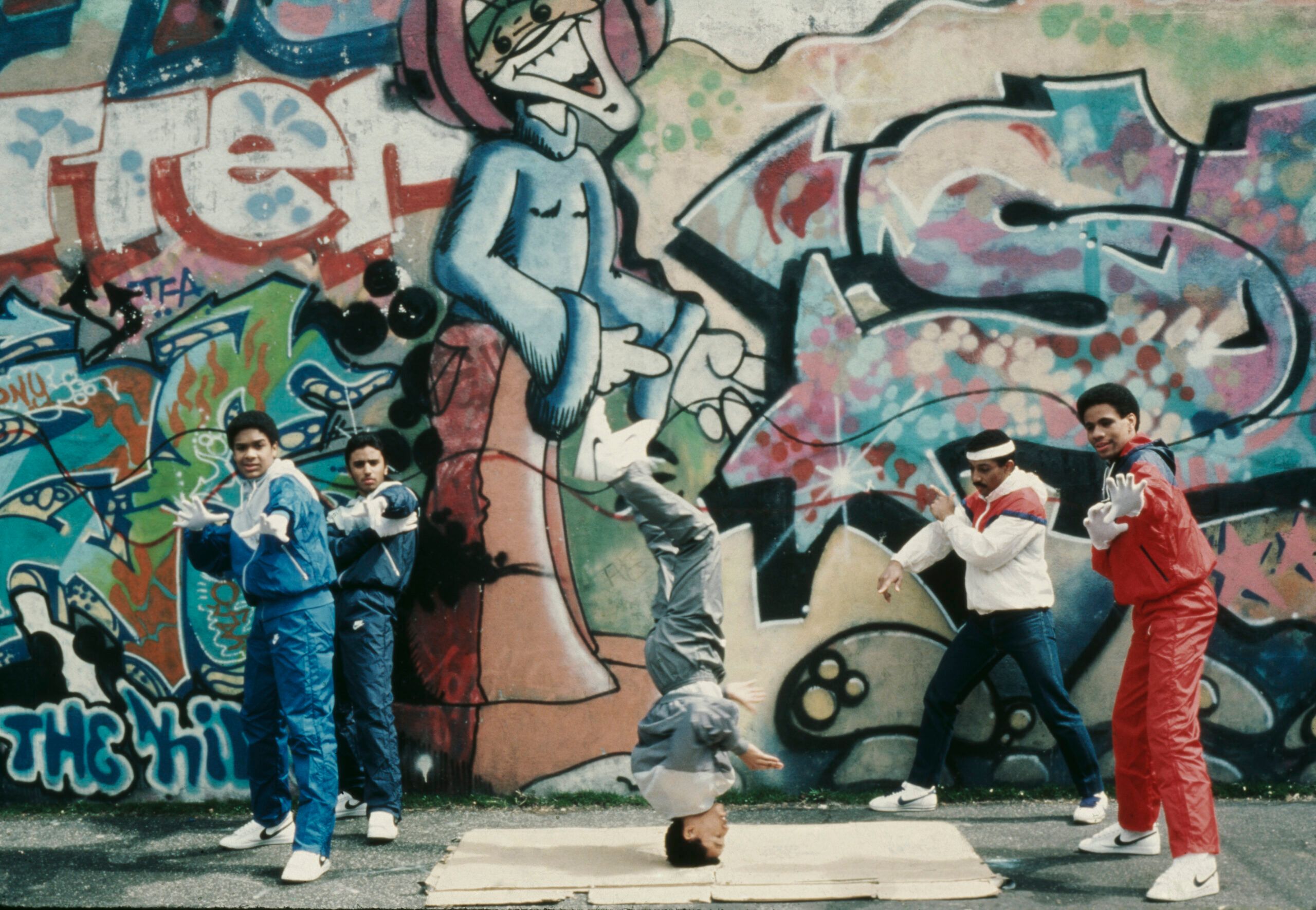
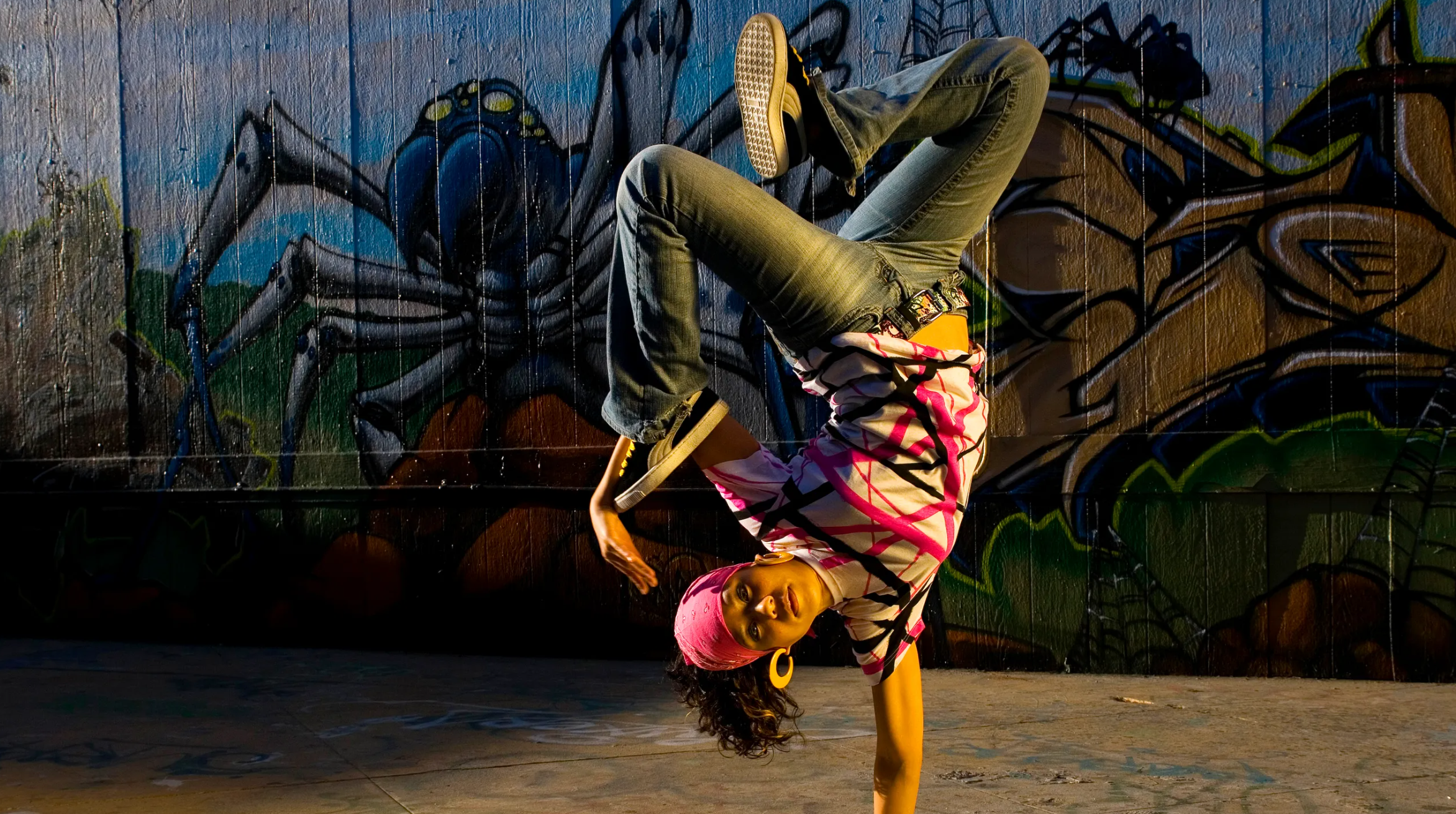
Hip Hop and Facilitation: B-Boying & B-Girling and The Art of Improvisation Within Structure

Step into a cypher and watch a b-boy or b-girl work, and you’ll see something that looks like pure spontaneity. They’re spinning, freezing, launching into footwork, responding to the music, to the energy of the crowd, to whatever the last dancer just did. It looks free. It looks improvised.

And it is. But it’s also built on a foundation of deeply practiced, rigorously developed moves.

That tension, between structure and freedom, between the learned and the spontaneous, is at the heart of breakdancing. And it’s at the heart of facilitation too.

Continue reading

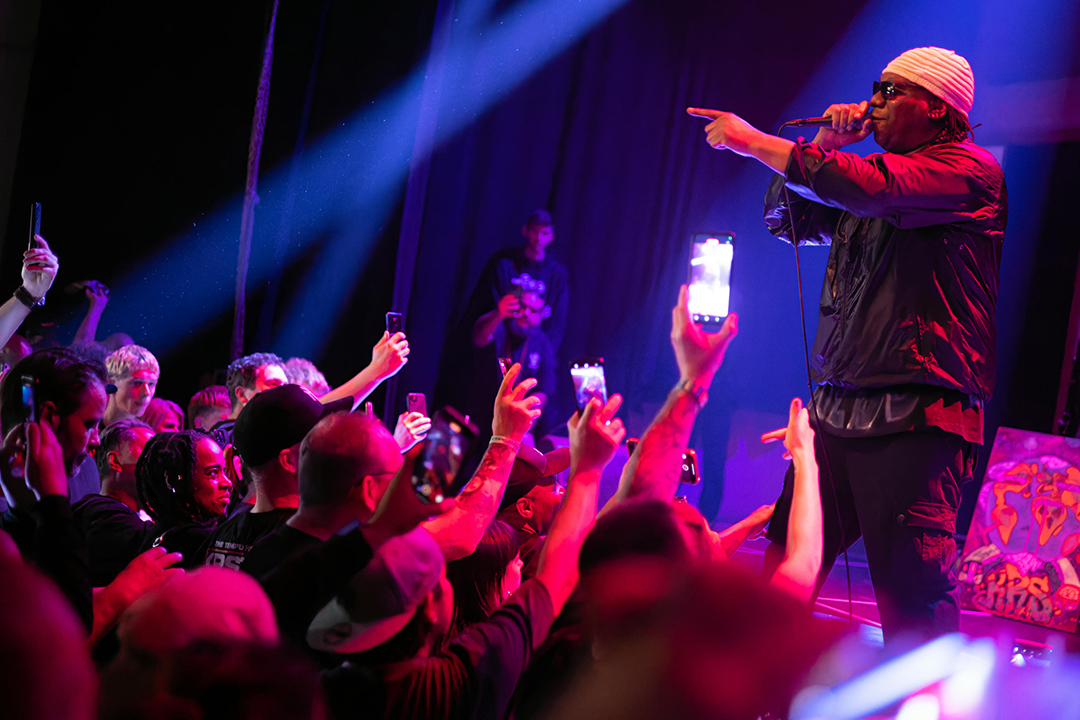
Hip Hop and Facilitation: The MC and Holding Space

When an MC steps up to the mic, their job is clear: get everyone in that room engaged, energized, and connected to what’s happening in this moment. They’re not just performing. They’re creating a container. They’re weaving a narrative. They’re reading the crowd and responding to what they find. And they’re doing all of this while making it look effortless.

KRS One

Sound familiar? It should. Because that’s exactly what a facilitator does.

When participants walk into a workshop or training, they’re looking for someone who’s going to provide structure and guidance, but not in a way that feels rigid or top-down. They want to feel energized. They want to feel like they know what they’re supposed to be doing. They want to feel like they’re part of something collective, not just sitting in a room waiting to be talked at.

That’s the MC’s job. And it’s the facilitator’s job too.

Continue reading

What the Four Elements of Hip Hop Teach Us About Facilitation

There’s a question I get asked a lot in my work as a facilitator: where did you learn to do this? And I usually talk about training programs, mentors, years of practice in rooms with groups of people trying to learn something together. But honestly? Some of my deepest intuitions about facilitation come from a place most people wouldn’t expect: hip hop.

Not hip hop as background music. Not hip hop as a reference point to seem culturally relevant in a workshop. I’m talking about hip hop as a framework – a set of principles, practices, and values that map onto the craft of facilitation in ways that are too precise to ignore.

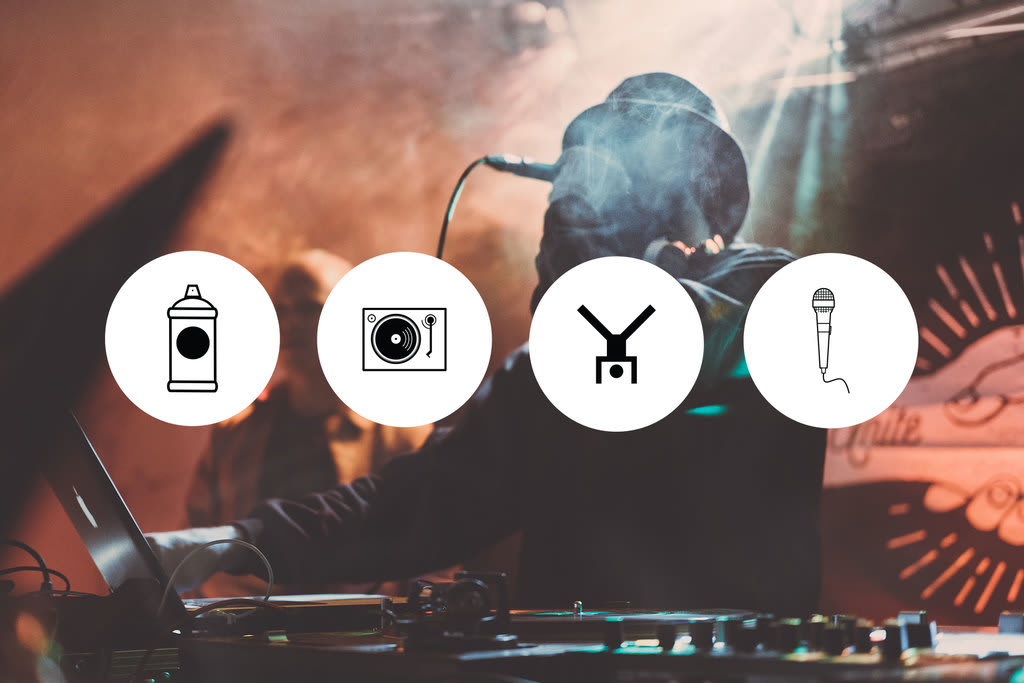
Hip hop has four core elements:

  • Element 1: MCing (rapping)
  • Element 2: B-boying and B-girling (breakdancing)
  • Element 3: Graffiti writing
  • Element 4: DJing (turntablism)

Each one is a distinct art form with its own technical demands, its own culture, its own vocabulary. And each one, when you look closely, contains lessons about what it means to hold space for a group of people, help them learn, and create an experience that stays with them long after they’ve left the room.

This is the first in a series of four pieces where I’ll explore each element and what it can teach us about facilitation. But before we get there, let me explain why I think this connection matters.

Continue reading

Interview for 30 Years of Nonviolence International – Exploring Abstract Concepts through Storytelling

In this clip, I talk about storytelling as a means of approaching teaching and building peace. I argue that using storytelling to teach something that seems abstract and theoretical can make the information more compelling and accessible. I talk about about helping people to tell their stories, and how to explore many different concepts through storytelling and connection.

Click here to watch the full interview.

Peace Frequency Podcast – Community Based Peacebuilding Series

This month I had the great privilege of helping co-facilitate and design the USIP online course, Community Based Peacebuilding: Engaging Youth. The main instructor for the course was Dr. Alison Milofsky, who is a brilliant, dynamic and gifted facilitator. Part of the course experience involved four great interviews on the Peace Frequency podcast. Alison and I co-hosted these episodes and were able to bring some great stories and perspectives into the course.

Peace Frequency w/ Guest, Mark Brimhall-Vargas. In this episode we explored the different definitions and types of dialogue and discussed some of the important complexities involving race, class, gender, sexual orientation and other dimension of identity.

___

Peace Frequency w/ Guest, Ariana Barth. In this episode Ariana shares her experience facilitating dialogues with youth who come from communities engaged in intense identity based conflicts.

___

Peace Frequency w/ Guest, Dominic Barter. In this episode we speak with one of the world’s most well-respected practitioners of dialogue who sheds light on concepts such as community, relationship, justice, and conflict.

___

Peace Frequency Special Episode w/ Guests, Arthur Romano, Elavie Ndura, Nadine Bloch, and Kazu Haga. In this special episode we celebrate and interrogate the legacy of Martin Luther King, Jr. by speaking with four scholars, practitioners, and activists who have immersed themselves in nonviolent movements in unique and distinct ways.

___

Peace Frequency w/ Guest, Jeff Guerra. In this episode we speak with a Colombian DJ and producer whose music is helping build and spread messages of peace across lines of cultural, racial, and ethnic difference.

Peace Frequency Podcast – Conflict Analysis Series

During the month of November, I had the pleasure of helping facilitate a United States Institute of Peace online course on conflict analysis. Throughout the month the main instructors in the course, Jeff Helsing and Matt Levinger, gave learners a look into some of the basic principles of conducting a conflict analysis and the various frameworks that aid individuals and organizations in doing this work. We interviewed several amazing peacebuilders on the Peace Frequency podcast and heard them share how their experiences in the field have shaped their understanding of conducting an effective conflict analysis.

Peace Frequency w/ Guest, Candace Karp. In this episode we hear about some of the lessons Candace learned working for the United Nations in Afghanistan and Israel/Palestine.

___

Peace Frequency w/ Guest, Sharon Morris. In this episode we learn about Sharon’s work with youth and the difficulties that come with conflict analysis in that it can open up festering wounds of a community harmed by violence.

___

Peace Frequency w/ Guest, Lisa Schirch. In this episode we dive into the origins of the peacebuilding field, the various definitions of the practice, and the diversity of conflict assessment frameworks utilized by various organizations.

___

Peace Frequency w/ Guest, Matt Levinger. In this episode we look at USIP’s conflict assessment framework and some of the guiding principles behind conducting an effective and sensitive conflict analysis.


Peace Frequency Podcast – Strategic Peacebuilding Series

During the month of October, I had the pleasure of helping facilitate a USIP online course called Strategic Peacebuilding. The main instructor for the course was George Lopez, who took about 40 students through an amazing educational journey exploring the 7 components of strategic peacebuilding. Part of this journey included four episodes of the Peace Frequency podcast series, where George and I interviewed prominent peacebuilders about their work. Take a listen to the series. Enjoy.

Peace Frequency w/ Guest, George Lopez. In this interview we touch on topics of how the peacebuilding field has evolved and adapted overtime and how the concept of “strategic peacebuilding” came to be.

___

Peace Frequency w/ Guest, Nadia Gerspacher. In this interview we talk about community policing and advising.

___

Peace Frequency w/ Guest Maria Stephan. In this interview we explore the world of nonviolent, civil resistance and the implications of her award-winning book, Why Civil Resistance Works: The Strategic Logic of Nonviolent Conflict.

___

Peace Frequency w/ Guest Fiona Mangan. In this interview we talk about establishing and protecting the rule of law in conflict affected environments and interviewing prisoners to learn about how justice systems are being implemented.

Music Plays Crucial Role in Nonviolent Civic Movements

This is another post about the Music of Nonviolent Action event that I helped organize and facilitate back in June of this year.

This post was written by Viola Granger and originally appeared on the United States Institute of Peace’s Olive Branch blog.

In Libya’s 2011 uprising, protesters pumped loud music from radios or CD players in the streets in front of government buildings, then fled from the inevitable rush of security forces. The nonviolent early days of Egypt’s revolution that same year spawned a raft of new independent music groups. In Turkey, the “Song of Pots and Pans” exhorts political leaders to stop their lies and repressive tactics.

Continue reading