Tag Archives: training

Hip Hop and Facilitation: DJing – Curation, Flow, and the Breakbeats of Learning

I’ve always thought of myself as an educational DJ. It’s the metaphor that, more than any other, captures what I actually do as a facilitator. Because at the end of the day, a DJ’s job is to create an experience where people are moved, literally, physically, emotionally moved. And a facilitator’s job is to create an experience where people are moved to learn. The skills required to do both of those things well are remarkably, almost uncannily, similar.
Curation Over Content Expertise

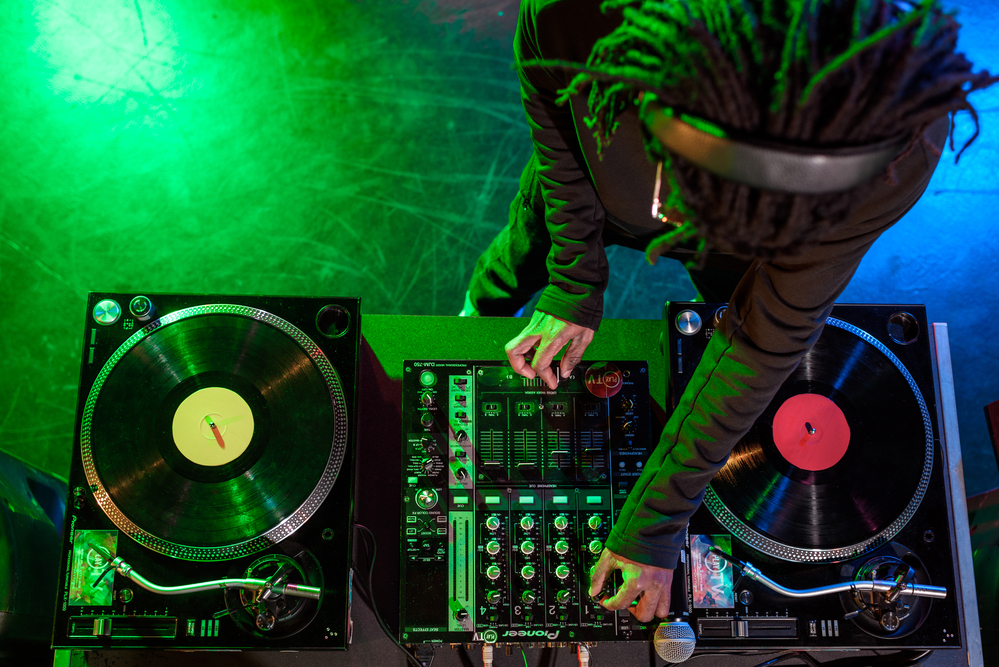
A DJ doesn’t need to have written every song they play. They don’t need to be a musician or a composer. What they need is taste, knowledge of their audience, and the skill to blend and sequence what already exists into something that works for the room in front of them.

Continue reading
Hip Hop and Facilitation: B-Boying & B-Girling and The Art of Improvisation Within Structure

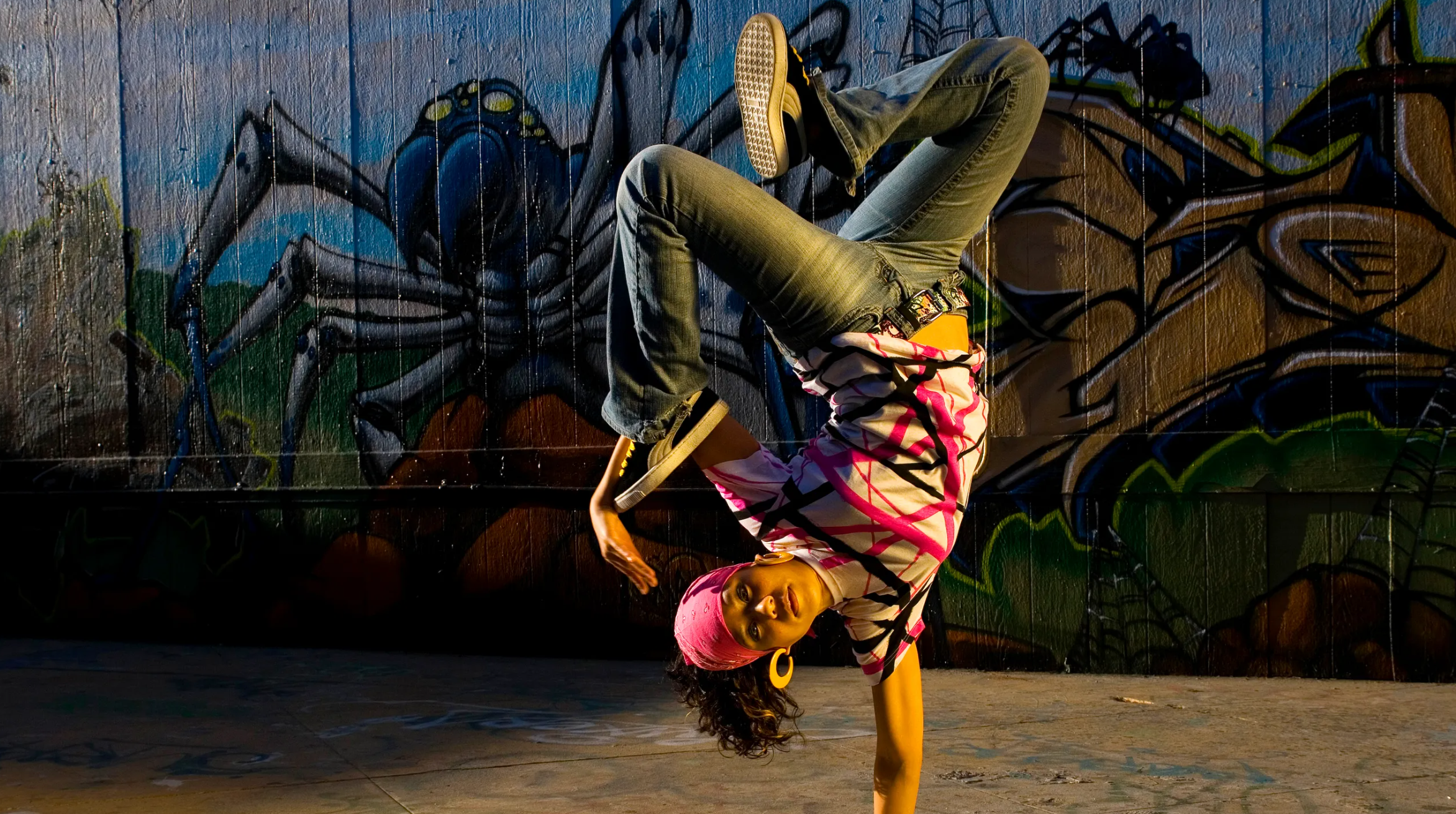
Step into a cypher and watch a b-boy or b-girl work, and you’ll see something that looks like pure spontaneity. They’re spinning, freezing, launching into footwork, responding to the music, to the energy of the crowd, to whatever the last dancer just did. It looks free. It looks improvised.

And it is. But it’s also built on a foundation of deeply practiced, rigorously developed moves.

That tension, between structure and freedom, between the learned and the spontaneous, is at the heart of breakdancing. And it’s at the heart of facilitation too.

Continue reading

Hip Hop and Facilitation: The MC and Holding Space

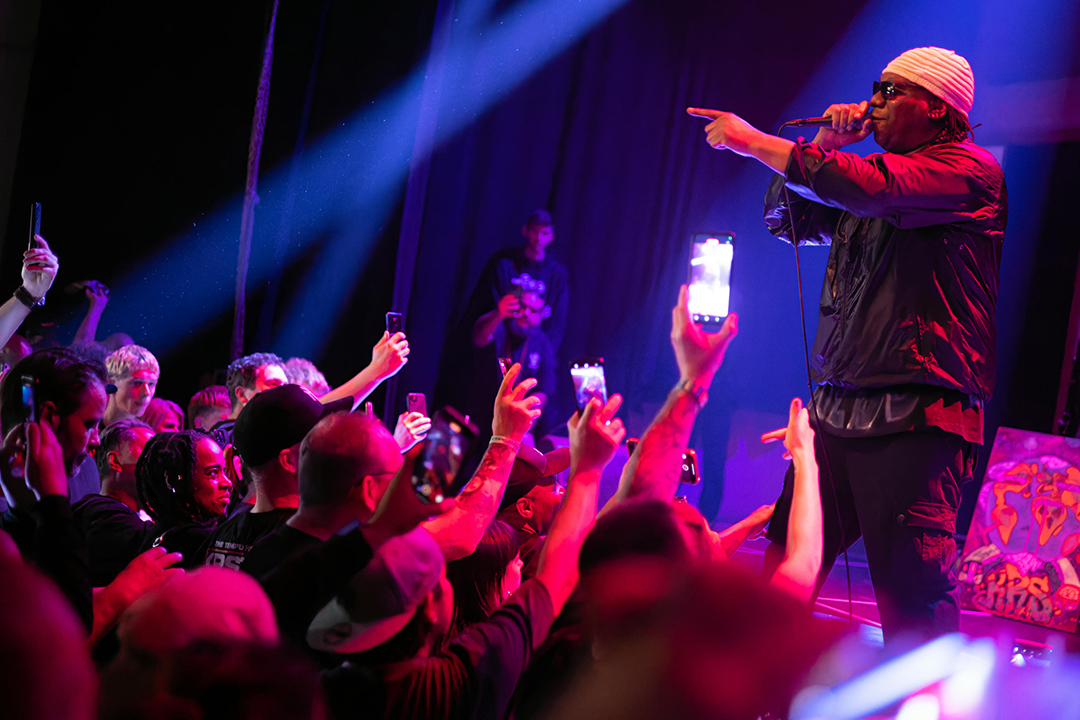
When an MC steps up to the mic, their job is clear: get everyone in that room engaged, energized, and connected to what’s happening in this moment. They’re not just performing. They’re creating a container. They’re weaving a narrative. They’re reading the crowd and responding to what they find. And they’re doing all of this while making it look effortless.

KRS One

Sound familiar? It should. Because that’s exactly what a facilitator does.

When participants walk into a workshop or training, they’re looking for someone who’s going to provide structure and guidance, but not in a way that feels rigid or top-down. They want to feel energized. They want to feel like they know what they’re supposed to be doing. They want to feel like they’re part of something collective, not just sitting in a room waiting to be talked at.

That’s the MC’s job. And it’s the facilitator’s job too.

Continue reading

What the Four Elements of Hip Hop Teach Us About Facilitation

There’s a question I get asked a lot in my work as a facilitator: where did you learn to do this? And I usually talk about training programs, mentors, years of practice in rooms with groups of people trying to learn something together. But honestly? Some of my deepest intuitions about facilitation come from a place most people wouldn’t expect: hip hop.

Not hip hop as background music. Not hip hop as a reference point to seem culturally relevant in a workshop. I’m talking about hip hop as a framework – a set of principles, practices, and values that map onto the craft of facilitation in ways that are too precise to ignore.

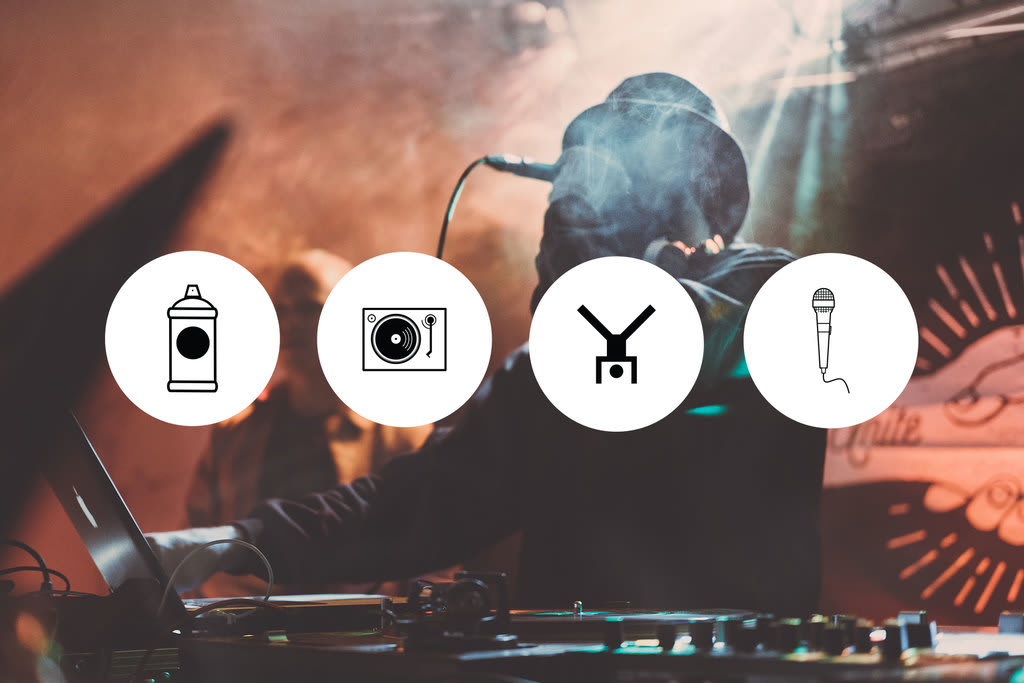
Hip hop has four core elements:

  • Element 1: MCing (rapping)
  • Element 2: B-boying and B-girling (breakdancing)
  • Element 3: Graffiti writing
  • Element 4: DJing (turntablism)

Each one is a distinct art form with its own technical demands, its own culture, its own vocabulary. And each one, when you look closely, contains lessons about what it means to hold space for a group of people, help them learn, and create an experience that stays with them long after they’ve left the room.

This is the first in a series of four pieces where I’ll explore each element and what it can teach us about facilitation. But before we get there, let me explain why I think this connection matters.

Continue reading

Fall 2011 Semester Begins at American University

Link to Peace Pedagogy course website

The Fall 2011 semester at American University began on August 31st.  This semester I am teaching two different courses: Education for International Development (EDU285), which meets on Wednesdays from 2:35pm – 5:15pm and Peace Pedagogy (EDU596), which meets right after from 5:30pm – 8:00pm.  This is the first time that I have taught two courses in one semester, let alone back to back on the same day, so I would be lying if I said I wasn’t feeling a bit overwhelmed taking on this course load on top of my full time job.  That being said, the first few weeks have been going well.  I have great groups of students, interesting subject matter, and a “manageable” schedule.  There are also some new teaching tools and methods that I am trying out this semester and I am looking forward to seeing how they pan out.

Continue reading

Key Insights from George Lakey’s book, “Facilitating Group Learning”

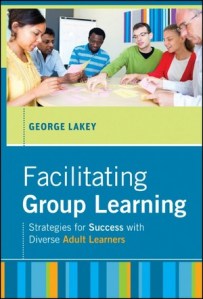
I recently finished reading George Lakey’s new book, Facilitating Group Learning: Strategies for Success with Diverse Adult Learners.  I thoroughly enjoyed this book because it provides a clear description and examples of what experiential education, or what Lakey calls direct education, is and entails.  Having been an experiential educator for several years now, Lakey and his colleagues at Training for Change, have become a real source of learning for me and my work.  Below are several key insights from the book:

Continue reading