Category Archives: Writing/Blogging

Hip Hop and Facilitation: DJing – Curation, Flow, and the Breakbeats of Learning

I’ve always thought of myself as an educational DJ. It’s the metaphor that, more than any other, captures what I actually do as a facilitator. Because at the end of the day, a DJ’s job is to create an experience where people are moved, literally, physically, emotionally moved. And a facilitator’s job is to create an experience where people are moved to learn. The skills required to do both of those things well are remarkably, almost uncannily, similar.

Curation Over Content Expertise

A DJ doesn’t need to have written every song they play. They don’t need to be a musician or a composer. What they need is taste, knowledge of their audience, and the skill to blend and sequence what already exists into something that works for the room in front of them.

Continue reading
Hip Hop and Facilitation: Graffiti Writing and Marking the Territory

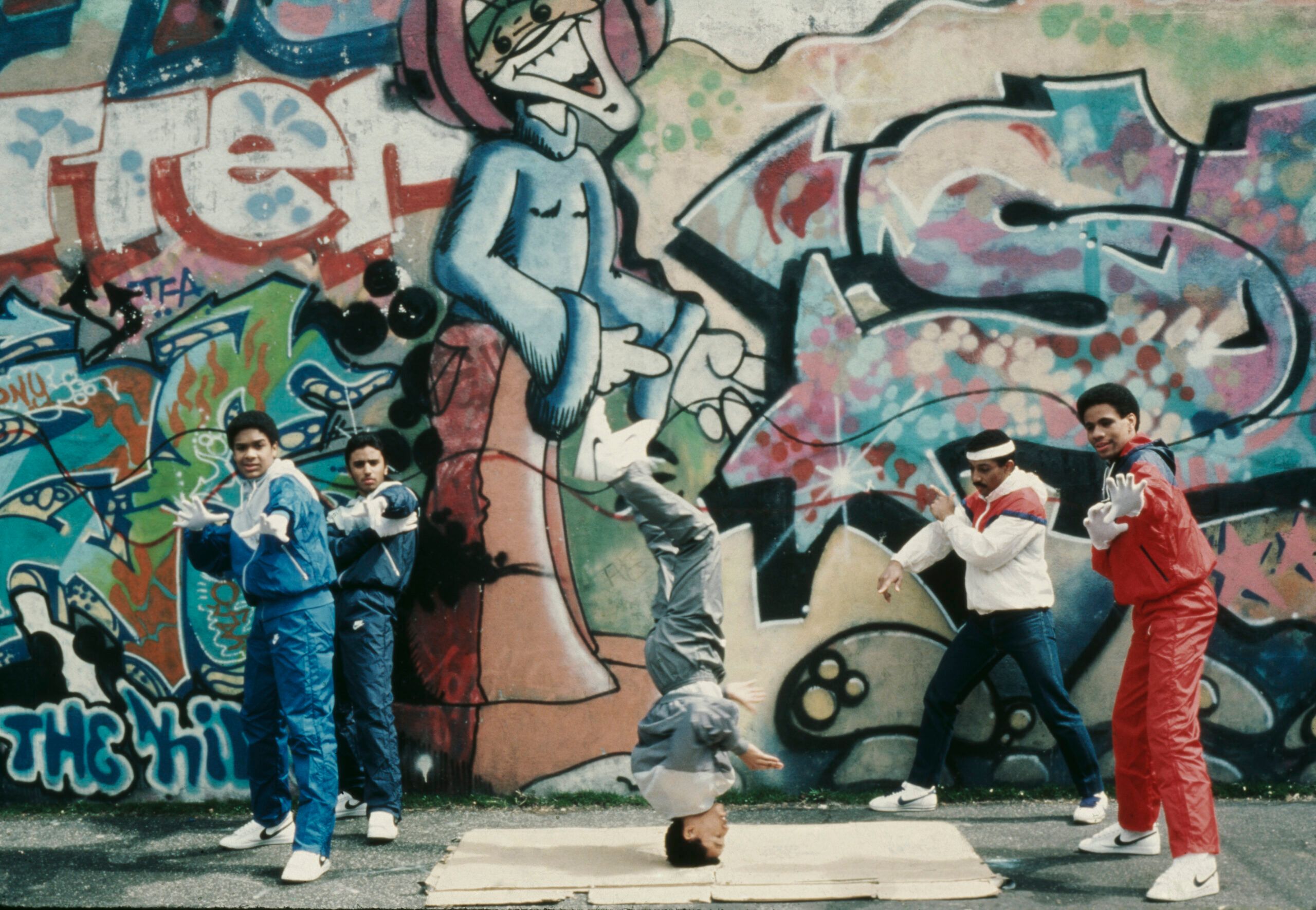
Graffiti gets misunderstood. People see vandalism. What graffiti writers in hip hop culture see is something entirely different: a visual language, a way of marking territory, of asserting identity, of putting something into public space that speaks, provokes, and belongs to the community that created it. Every graffiti artist develops their own style—their signature, their voice in color and form. And when you understand it through that lens, you start to see it everywhere in good facilitation work.

The Room Is a Canvas

Before participants arrive to a workshop or training, a facilitator has already been at work. The room has been transformed. Flip charts are up on the walls. Names are written in big, colorful letters. Images representing key concepts are posted around the space. Maybe there are contributions participants shared in a pre-workshop survey, already captured and displayed so people walk in and see their own thinking reflected back at them.

Continue reading

Hip Hop and Facilitation: B-Boying & B-Girling and The Art of Improvisation Within Structure

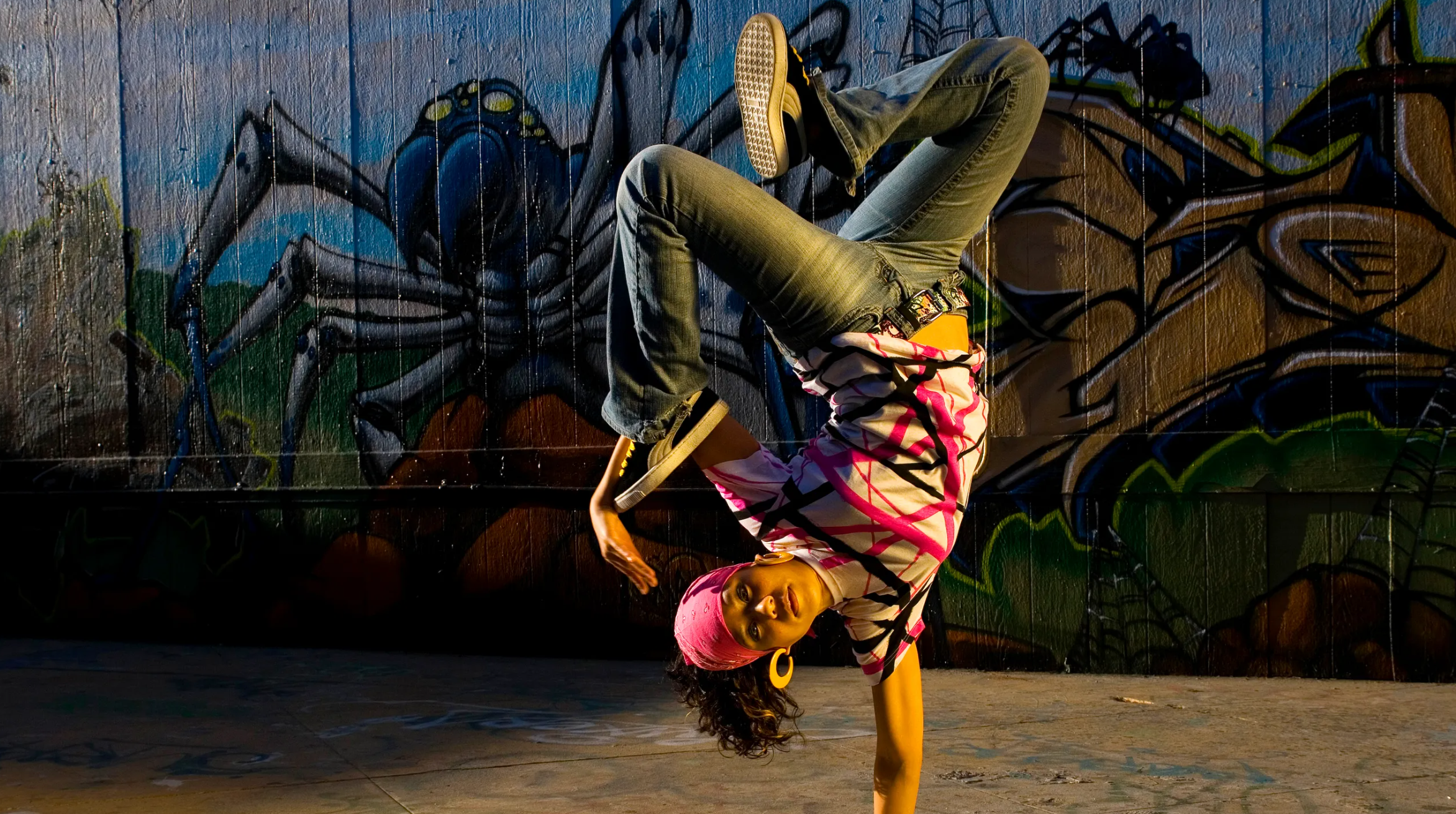
Step into a cypher and watch a b-boy or b-girl work, and you’ll see something that looks like pure spontaneity. They’re spinning, freezing, launching into footwork, responding to the music, to the energy of the crowd, to whatever the last dancer just did. It looks free. It looks improvised.

And it is. But it’s also built on a foundation of deeply practiced, rigorously developed moves.

That tension, between structure and freedom, between the learned and the spontaneous, is at the heart of breakdancing. And it’s at the heart of facilitation too.

Continue reading

Hip Hop and Facilitation: The MC and Holding Space

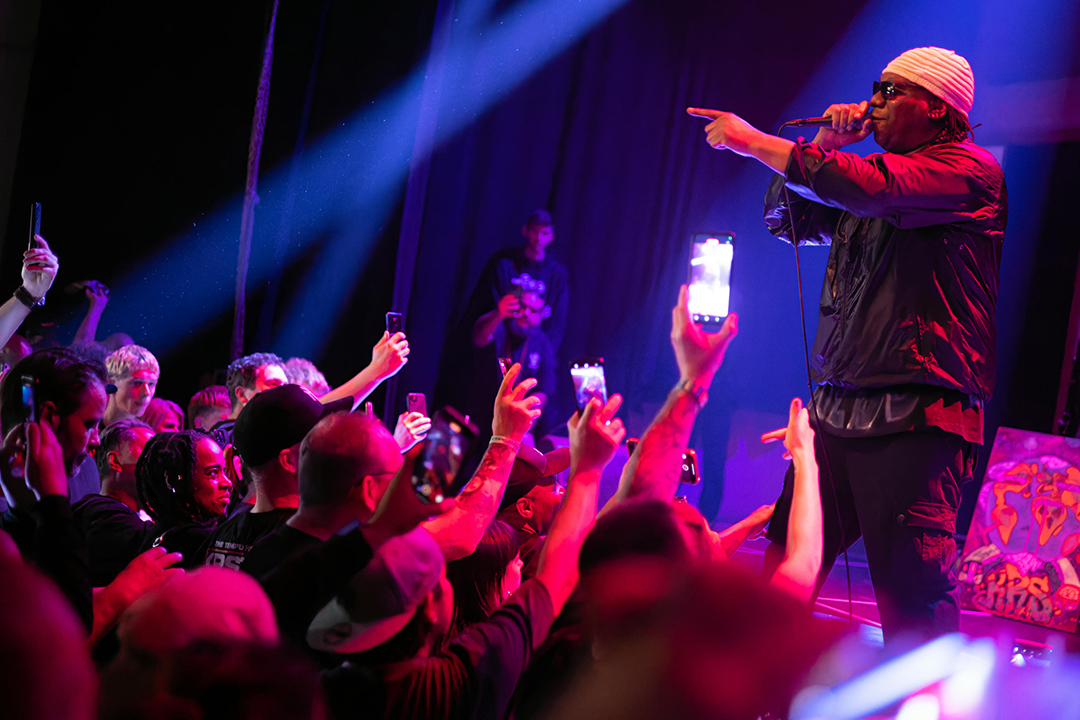
When an MC steps up to the mic, their job is clear: get everyone in that room engaged, energized, and connected to what’s happening in this moment. They’re not just performing. They’re creating a container. They’re weaving a narrative. They’re reading the crowd and responding to what they find. And they’re doing all of this while making it look effortless.

KRS One

Sound familiar? It should. Because that’s exactly what a facilitator does.

When participants walk into a workshop or training, they’re looking for someone who’s going to provide structure and guidance, but not in a way that feels rigid or top-down. They want to feel energized. They want to feel like they know what they’re supposed to be doing. They want to feel like they’re part of something collective, not just sitting in a room waiting to be talked at.

That’s the MC’s job. And it’s the facilitator’s job too.

Continue reading

What the Four Elements of Hip Hop Teach Us About Facilitation

There’s a question I get asked a lot in my work as a facilitator: where did you learn to do this? And I usually talk about training programs, mentors, years of practice in rooms with groups of people trying to learn something together. But honestly? Some of my deepest intuitions about facilitation come from a place most people wouldn’t expect: hip hop.

Not hip hop as background music. Not hip hop as a reference point to seem culturally relevant in a workshop. I’m talking about hip hop as a framework – a set of principles, practices, and values that map onto the craft of facilitation in ways that are too precise to ignore.

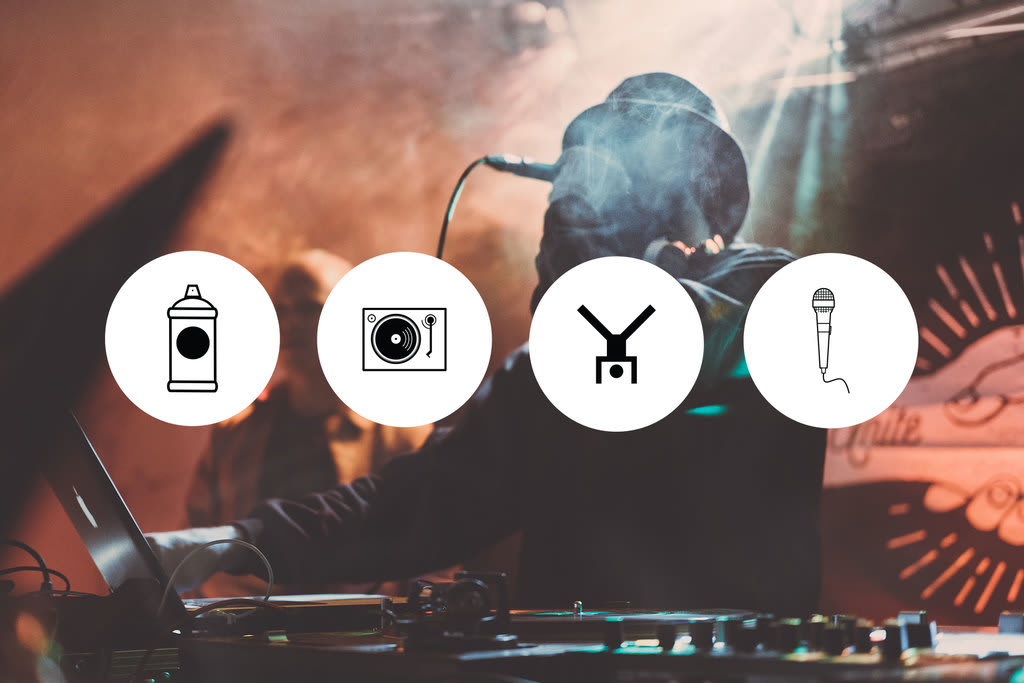
Hip hop has four core elements:

  • Element 1: MCing (rapping)
  • Element 2: B-boying and B-girling (breakdancing)
  • Element 3: Graffiti writing
  • Element 4: DJing (turntablism)

Each one is a distinct art form with its own technical demands, its own culture, its own vocabulary. And each one, when you look closely, contains lessons about what it means to hold space for a group of people, help them learn, and create an experience that stays with them long after they’ve left the room.

This is the first in a series of four pieces where I’ll explore each element and what it can teach us about facilitation. But before we get there, let me explain why I think this connection matters.

Continue reading

The Power and Promise of Online Learning

20140617-dayrn-in-the-field-final
This week my friend and fellow peace and nonviolence educator, Joshua Cooper, had an article we wrote together posted on the USIP website. The article describes how Joshua integrated the use of USIP’s online, self-paced course, Civil Resistance and the Dynamics of Nonviolent Conflict (which I helped design), into his work with indigenous Cambodian activists living along the border of Cambodia and Vietnam AND with students in his intro political science class at the University of Hawaii.

Over the past eight months, USIP’s Academy has launched 8 self-paced, online courses, registering more than 3,000 people in more than 134 countries. The work, however, is not solely a numbers game. Peacebuilders, activists and educators working in conflict zones must be able to take the knowledge, skills and perspectives that USIP offers online and adapt them for their own specific needs in the field.  A case of young Khmer activists in Vietnam and Cambodia and another involving students in Hawaii interested in peacemaking illustrate the need.

Continue Reading on USIP website…

Featured Article in the Global Campaign for Peace Education Newsletter

GCPENewsletterJune

This month’s issue of the Global Campaign for Peace Education features an article I wrote, The 7 Blossoms of Peace Education. Thanks to Tony Jenkins for providing me with this opportunity. It is an honor to have the chance to share this framework with other peace educators around the world. Continue reading to see the full text of the article and take a look at how I approach and understand my work as a peace educator.

Continue reading